PFAN Helping to Scale up Clean Energy in Developing World
To launch a clean energy business, an entrepreneur needs financing –and often advice to get the business plan just right. However, in the developing world, it can be difficult for that entrepreneur to get access to funding and sound market advice.
Since 2006, the Private Financing Advisory Network (PFAN) has been helping promising clean energy entrepreneurs in Africa, Asia, Latin America, Eastern Europe and Central Asia connect with private investors and secure financing.
This multi-lateral effort grew out of the Climate Technology Initiative in cooperation with the United Nations Framework Convention on Climate Change. Over the last six years, USAID has supported PFAN as part of a global effort to help developing countries reduce greenhouse gas emissions and transition to a low-carbon economy.
At global forums, PFAN has connected entrepreneurs with government officials, technical experts and venture capitalists that have successfully financed climate-friendly projects and technologies. These mentors help screen business plans on behalf of PFAN, and in some cases, may extend financing to the projects that are most economically viable and environmentally beneficial.
With PFAN’s help, 62 start-ups have secured $665 million to develop wind, solar, biomass and small hydro energy projects or bring energy-efficient technologies to market. Combined, these projects have the potential to avoid 2.2 million tons of carbon dioxide emissions, the equivalent of taking nearly half a million cars off the road for one year.
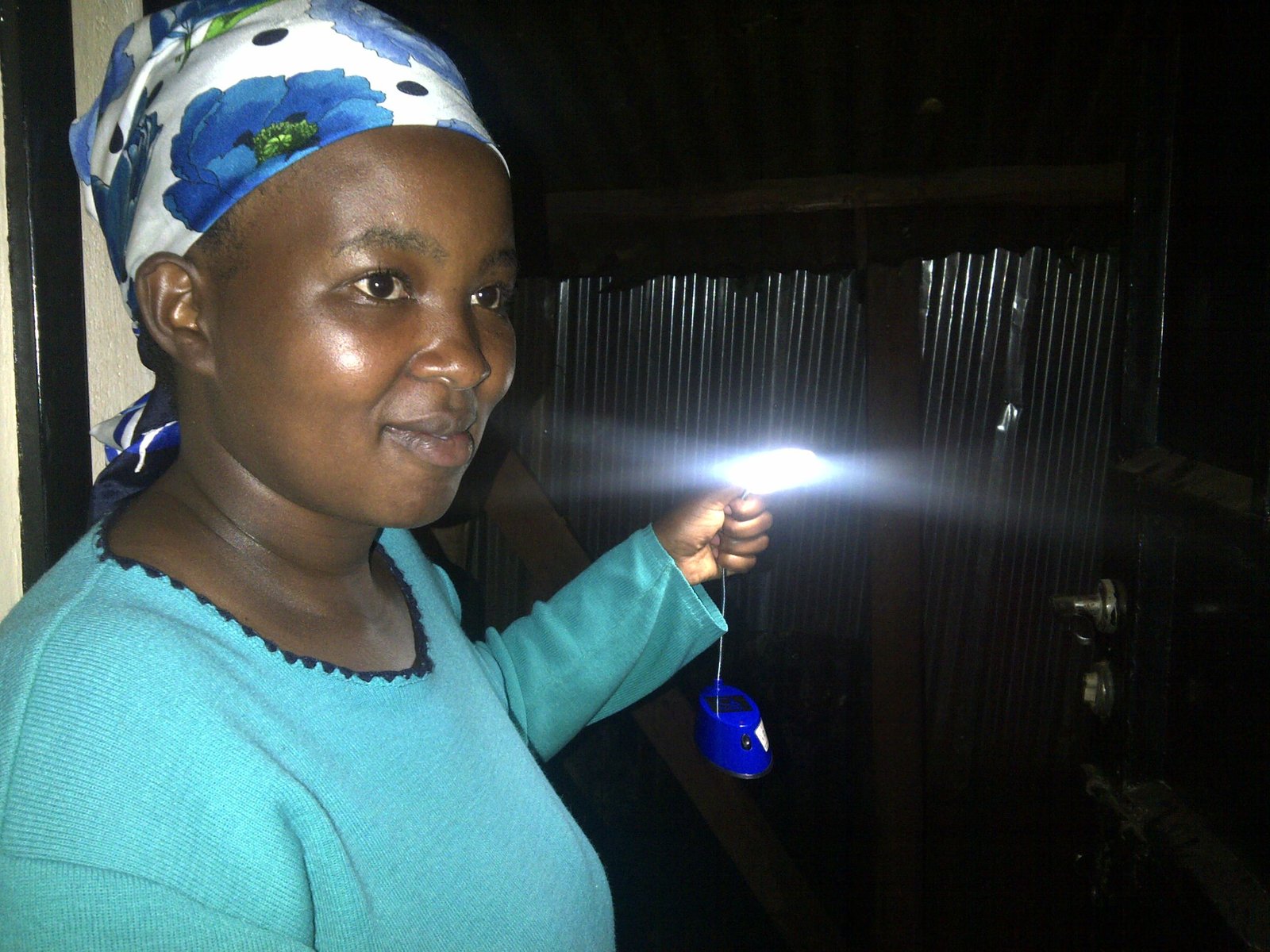
Barefoot Power is one such beneficiary. With offices in Australia, Uganda, Rwanda and Kenya, the company was one of the first to sell clean solar LED lights to replace unhealthy kerosene lamps in rural villages that lack electricity.
In 2005, Barefoot attended a PFAN forum in Johannesburg. Co-founder Stewart Craine said Barefoot was growing fast – 200 percent a year – but lacked enough funds to keep up with demand for its products.
PFAN assigned a mentor, who worked with Barefoot to see which areas of its business plan needed refinement and to suggest strategies for expanding across Africa and globally. PFAN advisors then introduced Barefoot to potential investors, who ultimately extended $6 million in financing, doubling what Barefoot had previously raised. Today Barefoot Power sells clean lighting and phone charging equipment in more than 50 countries.
“The advisors from PFAN were patient and very helpful during a challenging period for the company,” said Craine. “They expanded our network of investment opportunities right when we needed it most.”
PFAN advisors also help start-up clean energy companies by conducting business feasibility studies, mentoring management and taking representatives on “road shows” to explain their businesses to potential investors.
Most financing to date has come from equity investors focused on renewable energy, but some PFAN clients have secured financing from commercial and institutional lenders or from government grants. Most are based in Southeast Asia, followed by Africa.
“PFAN is an example of the transformative power of engaging the private sector to mobilize investment for development and climate change mitigation goals,” said Zephyr Taylor, a clean energy advisor with USAID’s Office of Global Climate Change.
“Models like PFAN demonstrate how the public and private sectors can work together, each leveraging their respective strengths, to achieve goals of common interest.”