USAID and the Pakistani Government have acknowledged the critical need to tackle air pollution, recognizing its impact on millions of lives and the overall quality of life.
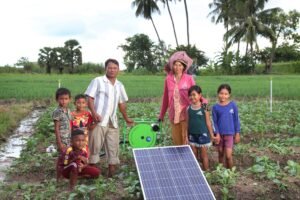
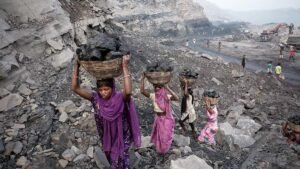
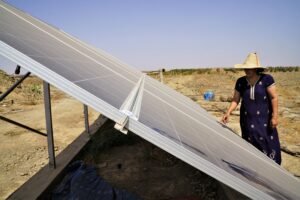
The 2024 Climatelinks Photo Contest captured how communities across the globe are confronting climate change. We received over 300 submissions from the Climatelinks community, representing more than 45 countries.
Through a series of collaborative projects, USAID and NREL are working together with Haitian stakeholders to enhance local workforce capabilities, develop robust regulatory frameworks, and, eventually, deploy cutting-edge technologies.
This resource from USAID, the Arizona State University (ASU) Just Energy Transition Center, the ASU Laboratory for Energy and Power Solutions, and the United States Energy Association provides guidance and best practices to enhance outcomes for coal communities.
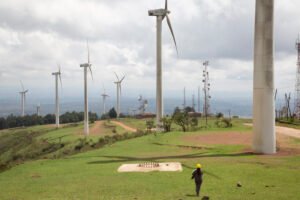
These USAID initiatives help countries build sustainable, resilient systems that make them more energy secure, better prepared for the climate crisis, and more capable of meeting their development goals.
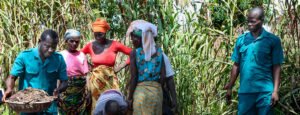
Integrating women into the energy and transportation sectors and incorporating feedback from marginalized communities into planning processes can help advance the clean energy transition, which is critical for climate mitigation.
As the region’s largest and longest-running industrial dairy company, La Catira is focused on creating a more sustainable future to ensure the long-term viability of the industry and meet rising consumer demand for responsibly sourced products.
USAID and Prosper Africa, a presidential level national security initiative to increase two-way trade and investment between the United States and African countries recognize the potential of climate finance.
The USAID Climate Adaptation Support Activity (CASA) recently worked with USAID to develop a set of preliminary recommendations on how to strengthen the use of NbS in the Agency’s adaptation programming and reporting.
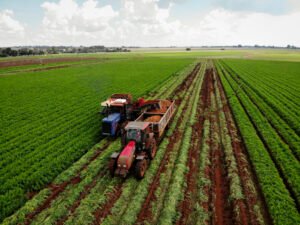
The evidence review is a comprehensive study of over 500 documents highlighting the diverse roles that agricultural extension and advisory services play in promoting climate resilience in low-income countries to empower smallholder farmers.
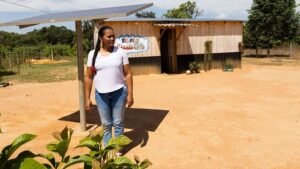
Rural and conflict-affected communities in Colombia struggle to access a reliable, affordable, and sustainable source of energy, which negatively affects their quality of life and economic prospects.
From increasing local awareness and knowledge of air pollution, to tackling its sources by improving access to clean cooking and transportation, read how USAID is working with India, Thailand, Zambia, and Malawi to improve air quality.
To mitigate air pollution in developing countries, we need to examine its causes in local contexts and support solutions that are affordable, sustainable, and reliable.
The International Programs Office of the Forest Service has been providing natural resource management technical assistance in southern Africa for more than 20 years.
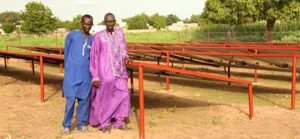
The USAID Scaling Up Renewable Energy (SURE) program aims to support Senegal's public water service companies in modernizing their rural borehole pumping systems.