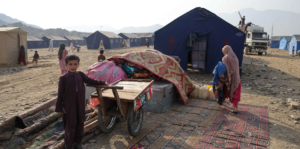
At a time characterized by record-breaking temperatures, increasing frequency and intensity of natural hazards, and growing food insecurity, youth engagement in climate action is more important than ever before.
USAID is investing in cross-sectoral programs and initiatives that mobilize finance channeled towards agriculture and food systems, achieving a climate-resilient, net-zero transformation of the sector calls for a groundswell of additional finance from public, private, and philanthropic sources.
USAID and partners catalyze Low Emissions Agriculture and Food Systems (LEAFS), aiming to curb emissions and bolster food security while restoring ecosystems. With a goal of protecting forests, enhancing agricultural productivity, and empowering local governance in the regions USAID works.
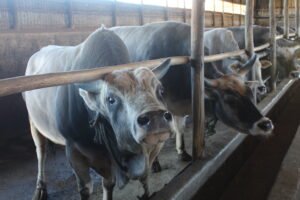
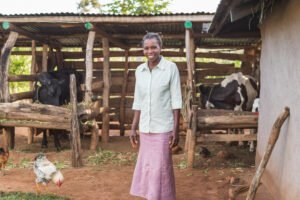
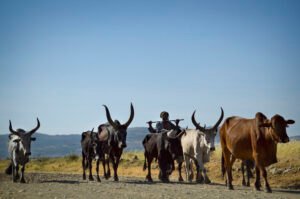
Reducing livestock emissions while increasing production efficiency is key in Africa and can be achieved through better livestock feeding practices and more efficient management techniques.
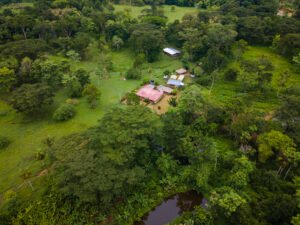
The Amazon rainforest is home to thousands of unique species, serves as a critical carbon sink, and regulates rainfall and weather patterns across South America and beyond.
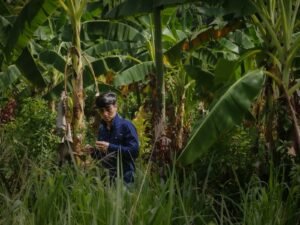
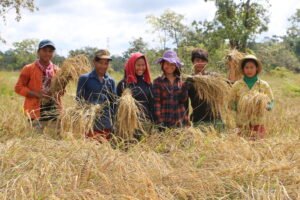
USAID Morodok Baitang is working with local farmers in Cambodia to advance low-emissions agriculture and reduce deforestation in and around protected areas.
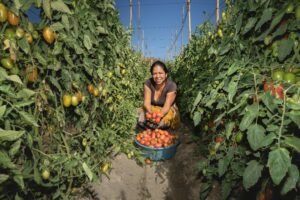
This blog is part of the USAID’s Climate Strategy in Action series. It expands on a winning photo from the 2023 Climatelinks Photo Contest from Lebanon.
USAID’s approach to Low Emissions Agriculture and Food Systems serves to substantially reduce GHG emissions compared to business-as-usual scenarios and/or emissions intensity.
HEARTH is a collaborative public–private partnership approach to sustainable development initiated by USAID that seeks to address biodiversity loss and climate change while supporting the livelihoods of local communities.