As Europe’s energy crisis deepens and global climate change impacts intensify, finding new and efficient ways to promote and invest in clean, renewable energy is critical.
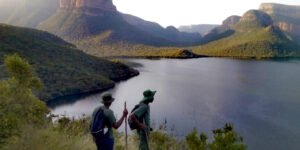
USAID launched the five-year, $32 million Resilient Waters Program in 2018 to improve transboundary natural resources management and increase the water security and resilience of communities and ecosystems
Did you miss the Climatelinks April newsletter? We’ve got you covered. Please find a recap of the April 2022 ‘Climate Strategy, Indigenous Peoples, and Local Communities’ theme below. You won’t want to miss this short list of top programs, resources, and blogs from the month.
Over the past decade, our understanding of how climate change affects conflict and security has advanced considerably. Yet, how to best address the overlapping challenges of climate change, conflict, and human security remains an open question.
The USAID Climate Team, anticipating many questions from Missions and implementing partners, collaborated with Climatelinks to offer a series of three webinars introducing the strategy and offering examples of how some Missions—Mexico, the Regional Development Mission for Asia (RDMA), and Morocco—are already implementing it.
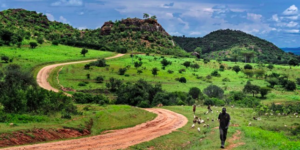
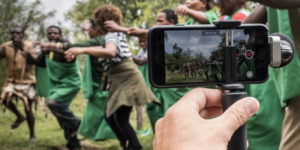
The lasting vulnerabilities brought about by its violent past and rapidly changing socioeconomic structures has made Karamoja particularly vulnerable to climate change impacts.
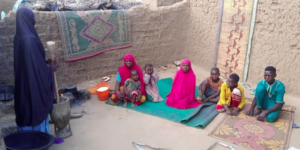
The story of Mrs. Rabi Abora from the Mazamni village in Niger is a stunning example of the devastating impact climate change is having on women's livelihoods, nutrition, and health. Her story also demonstrates concrete actions to help mitigate these impacts.
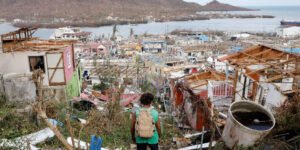
On November 16, 2020, a major climate change-induced disaster occurred: Hurricane Iota struck Providencia and Santa Catalina with winds of up to 240 kilometers per hour
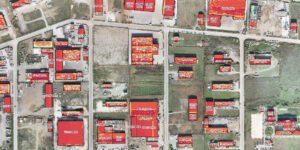
As USAID is accelerating its efforts to meet the urgency of global climate change, INVEST is providing support through activities focused on encouraging the flow of private capital toward climate adaptation, resilience, and mitigation. A closer look at three activities — Power Africa in Kenya, ThirdWay Africa Rural Development Corporation in Southern Africa, and USAID Colombia’s Energy for Peace program — demonstrates how USAID is working with the private sector to scale and speed climate actions that result in climate benefits that are equitably shared.
The latest IUCN research shows that countries around the world increasingly recognize women as vital stakeholders and agents of change in urgent climate action.
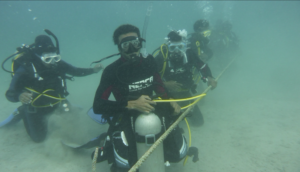
Since the 1990s, USAID has partnered with Hurghada Environmental Protection and Conservation Association (HEPCA) to protect Egypt's Red Sea coral reefs through the installation of a permanent mooring buoy system. Thanks to these efforts, the Southern Red Sea is now home to the largest mooring system in the world, reducing the destruction of coral reefs in the region by 70% .
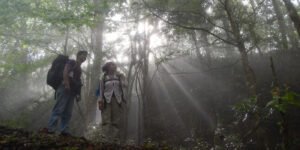
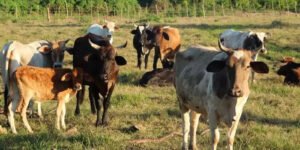
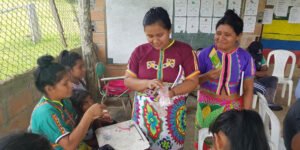
USAID’s Páramos and Forests Activity and the REDD+ (Reducing Emissions from Deforestation and Forest Degradation) program are helping these women and their communities manage and protect their lands.