The Green Cities program provides a range of programming options that will help USAID partner countries develop more sustainable, equitable, healthy, and prosperous cities and will help USAID Missions achieve Climate Strategy targets, as well as governance, health, inclusive development, and other development objectives.
USAID has developed a new Climate Strategy that will guide our humanitarian and development work through 2030 in a way that is truly different – by calling on all corners of USAID to play a part in our whole-of-agency response.
The most recent Intergovernmental Panel on Climate Change (IPCC) report illustrated that climate change already has a widespread impact, that those impacts are intensifying, and that we, as a global community, need to act quickly to avoid the most severe consequences.
Climate finance, a key aspect of USAID’s 2022-2030 Climate Strategy, applies various financial resources to assist developing countries in reducing greenhouse gas (GHG) emissions and building resilience to the impacts of climate change.
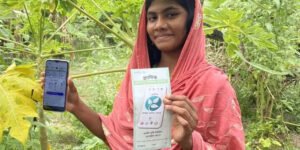
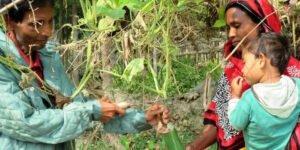
Aware of artificial intelligence’s (AI) potential as an important tool in agricultural adaptation, USAID’s Feed the Future Bangladesh Digital Agriculture Activity (BDAA), as a part of DAI’s Digital Frontiers Project, recently supported the pilot of Plantix, a highly specialized and AI-driven smartphone application for farmers and extension workers in Bangladesh.
With the right funding and advisory support, the rules have the potential to significantly advance private sector climate adaptation and mitigation in emerging markets and across multiple supply chains and geographies.
CACCI is a worldwide coalition of research institutions dedicated to helping countries use better research methodologies, data analysis and policy building to create climate resilience through implementation of NDCs and NAPs, based on the best available research.
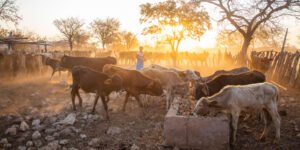
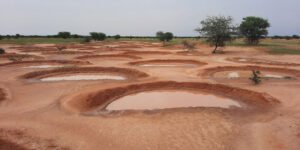
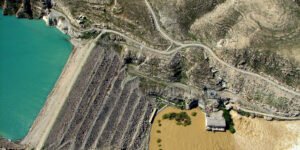
MENAdrought, a USAID-supported project, is turning the tide of climate change by creating more resilient communities that can stay one step ahead of the next drought.
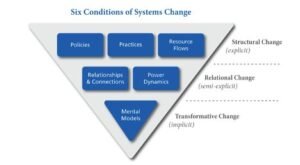
Transforming systems will require approaches that seek to fundamentally change relations, structures, and systems that sustain and perpetuate climate change.
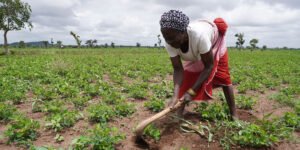
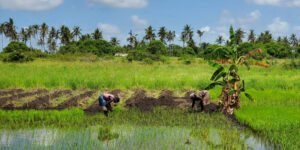
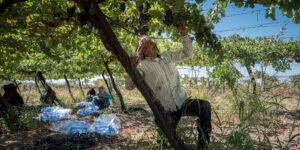
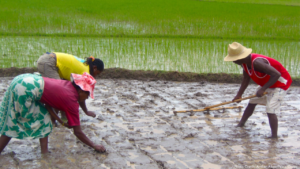
Climate change is projected to have substantial and widespread impacts on food production, food security and the livelihoods of the poor in low-income countries.
This year’s theme, #TheHumanRace—a global challenge for climate action in solidarity with people who need it the most—brings the immediate human cost of the climate crisis into the spotlight.
With countless fishing boats bobbing in the waves, homes nestled next to expansive mangrove forests, and dinner tables filled with fresh fish, it is obvious how important the natural world is for the people who live on the islands.