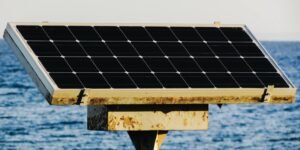
To combat climate change, countries around the world are introducing national renewable energy development plans and carbon neutrality goals to overhaul their energy sectors.
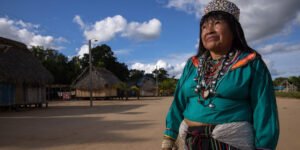
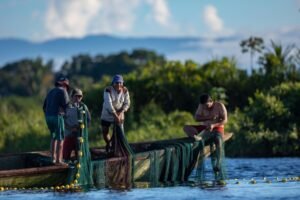
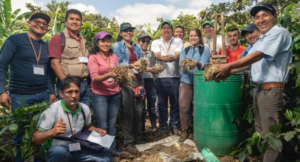
In order for USAID to have maximum impact in confronting the most urgent demands of the climate crisis, improved participation at all levels is key. Thus, an increased emphasis on working with Indigenous Peoples and local communities is critical to USAID’s climate efforts.
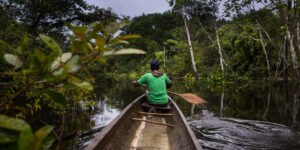
Key to carrying out a coordinated regional response is USAID’s Amazon Regional Environment Program (AREP), which partners with governments and stakeholders across six Amazon countries—Brazil, Colombia, Ecuador, Guyana, Peru, and Suriname.
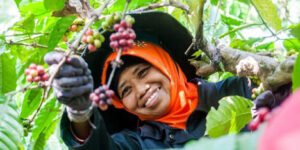
Global coffee demand is expected to triple by 2050, raising pressure on forests and other habitats in the tropical regions where it is grown as farmers look for new land to cultivate.
The East African Community (EAC) and its Partner States—Burundi, Kenya, Rwanda, South Sudan, Tanzania, and Uganda—strive to manage and sustain the region’s iconic ecosystems through collaboration and policymaking.
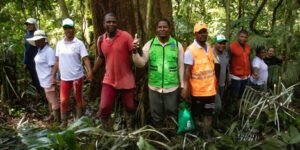
The five-year Paramos & Forests Activity is helping the Government of Colombia meet its landscape-based climate change mitigation goals and strengthening local economic development.
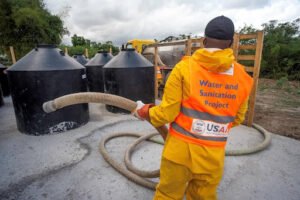
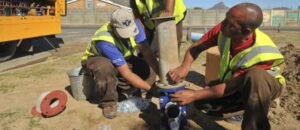
USAID’s WATSAN (water and sanitation) project works to strengthen local capacity and the water and sanitation infrastructure so that it can withstand and operate reliably under floods, landslides, and droughts.
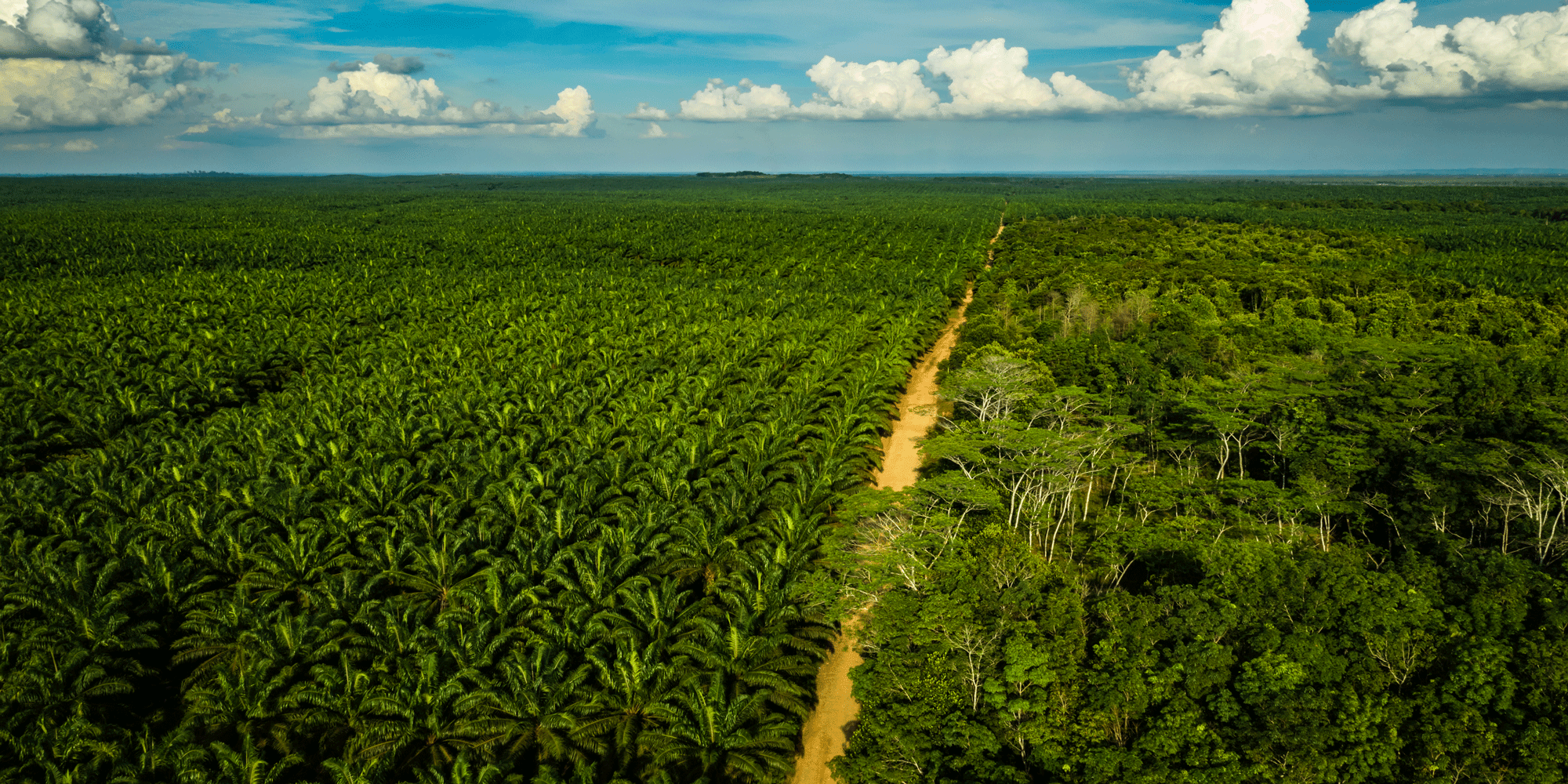
In response to the urgent need to feed the world’s human population while also reducing agriculture-driven deforestation, protecting biodiversity and livelihoods, and keeping the planet on a 1.5 degree Celsius warming trajectory, there have been a growing number of private sector commitments to eliminate deforestation from commodity supply chains.
While the threats posed by climate change may be daunting, USAID programs are rising to the challenge. In this newsletter, explore and learn from USAID’s efforts to address regional impacts of climate change, which can help inform global climate solutions.
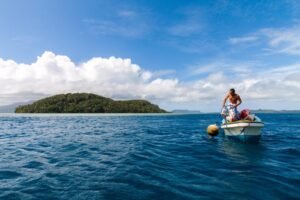
With increased climate financing into the region, Pacific Island countries need to be equipped with the capacity to effectively implement climate change-related projects.
The COVID-19 pandemic has highlighted the crucial role of water and sanitation in safeguarding human security. Through its Water, Sanitation and Hygiene Finance (WASH-FIN) program, USAID has been helping expand access to finance for water service providers (WSPs).
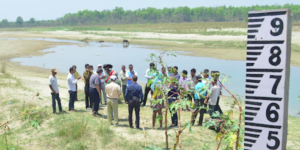
During 2020 and 2021, a multiyear La Niña event, strengthened by climate change, has helped produce an exceptional three-season drought. As the region enters a long dry season, temperatures of the land’s surface are well-above normal and vegetation is desiccated.
To better support the livelihoods of farming communities and their resilience, USAID’s Bureau for Humanitarian Assistance is supporting a project called Standards for Supporting Agricultural Livelihoods in Emergencies (SEADS) to develop evidence-based practice standards for humanitarian agencies that provide crop-related assistance in emergencies. This support can include providing seeds and fertilizer, offering tools and training support, or rebuilding damaged infrastructure, such as irrigation schemes, but all with an emphasis on market-based delivery mechanisms.
This blog is the second part in an Editor’s Pick Series highlighting USAID’s regional approaches to climate and development. The first part of the series featured Climatelinks blogs that reflect these efforts, and this second part features resources and projects with a regional focus.
At the 26th UN Climate Change Conference of the Parties (COP26) in Glasgow, NASA Administrator Bill Nelson announced that the NASA and USAID SERVIR partnership will use USAID funds to support the Regional Center for Mapping of Resources for Development (RCMRD) in integrating gender and Earth observations into the risk financing sector to build local and regional resilience to climate shocks. The SERVIR partnership works with countries and institutions around the world to tackle development challenges through an approach that uses satellite data to address climate change, food and water security, disasters, land use, and air quality.
As clean energy production accelerates, the annual need for critical metals could outpace reserves and result in potential supply chain disruptions, endangering the transition to a clean energy economy.
USAID and NASA’s joint SERVIR program is working with the International Centre for Integrated Mountain Development (ICIMOD) to develop a new tool to give the region better information for land management, and hopefully make those choices easier.
During the 2021 United Nations Climate Change Conference (COP26), USAID hosted an official side-event showcasing the U.S. Government’s commitment and approach to gender-responsive climate action.
The scale of the climate crisis can feel overwhelming. Wondering how you can help in 2022? We pulled together our top tools and trainings for addressing climate change through development work.