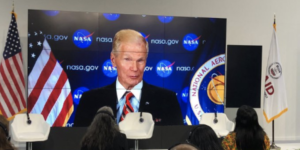
Building on more than 120 years of combined experience of its two parent agencies – USAID and NASA – SERVIR joined the 26th UN Climate Change Conference of the Parties (COP26) in Glasgow to highlight work that betters both scientific understanding and human well-being.
The task before us is not easy. Climate change is one of the most difficult challenges we have ever faced — one that touches every corner of the globe and every priority we have as an Agency, from ecosystems and biodiversity to food and water security. USAID is prepared to address this challenge given our breadth of technical expertise, decades of experience, and longstanding relationships with over 100 partner countries.
Climate change impacts different regions in different ways and, as such, requires tailored initiatives to meet local development needs. Every region will face challenges brought on by the climate crisis and will integrate programs and systems to adapt.
Climatelinks had a big year in 2021! More than 284,000 people used the site, visiting from more than 220 countries around the globe. In December 2021, we outlined the top 5 photos, blogs, and resources of the year, as well as blogs and resources that you may have missed.
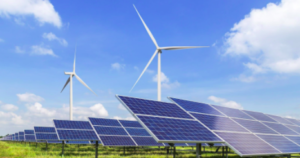
The Government of Colombia, with the help of the USAID, has deployed energy auctions as a policy tool to reach climate targets, procure renewable energy at competitive prices, and ensure a more resilient energy supply for the country.
USAID investments in reducing the risks and impacts of climate change—through increasing community resilience, building regional climate science capacity, or providing meteorological equipment—are vital for the countries of the Eastern and Southern Caribbean (ESC).
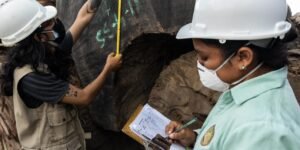
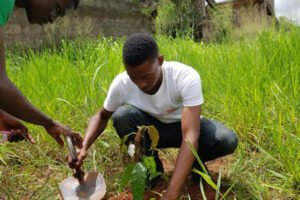
Since 2018, USAID and the U.S. Forest Service have helped Peru’s forest authorities and universities develop a training program for foresters to become certified as regents. Ana María, in her role as college professor, was part of the inter-institutional committee that made this happen.
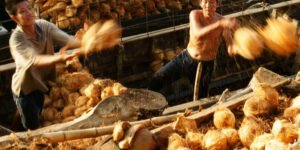
To break down the silos that prevent joint climate action, USAID partnered with a global corporate, Barry Callebaut, to convene key buyers – peers – in the coconut industry. The result was the industry’s first global Sustainable Coconut Charter, which aims to improve farmer livelihoods, lessen the carbon footprint of coconuts and boost supply to meet rising global demand.
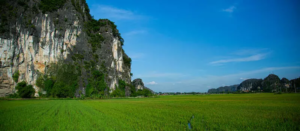
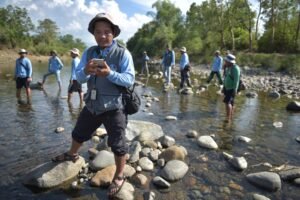
Rice production accounts for a significant portion of many Asian countries’ greenhouse gas (GHG) emissions, and Vietnam is one of the world’s largest rice producers. To meet the targets set out in its nationally determined contribution (NDC) and to maintain transparency in national communications (NC), Vietnam assesses the spatial variation of emissions across its rice-producing regions.
In 2021, Climatelinks featured a wide array of USAID’s climate-related work through its blogs. The Climatelinks blog acts as a resource for the global Climatelinks community and serves as a storehouse for information in the form of lessons learned, success stories, newsletter recaps, and report summaries.
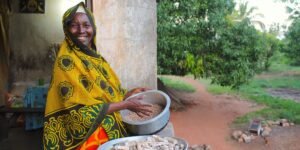
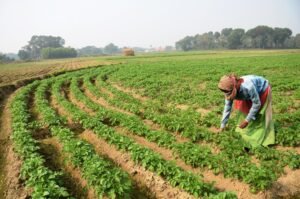
Through Feed the Future, the U.S. Government’s initiative to end hunger, and with support from USAID and the U.S. Department of Agriculture, Aisha and other farmers on Zanzibar’s Unguja Island are learning to better cope with the effects of climate change on agriculture.
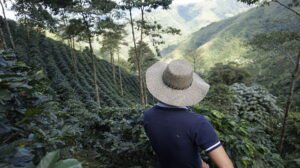
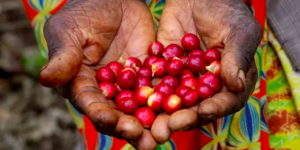
To help farmers better manage risk, Feed the Future Partnering for Innovation partnered with four organizations and private sector businesses — Farm Africa and Root Capital, Neumann Gruppe GmbH, and Oikocredit — to launch innovative risk management initiatives that enable smallholder coffee farmers to reap more rewards and face less risk as they cultivate this high-value crop.
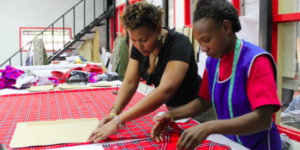
USAID established the Africa Trade and Investment (ATI) Program to mobilize enterprise-driven solutions that increase trade and investment and contribute to job creation in Africa. USAID/Kenya East Africa is currently inviting concepts covering specific priority sectors identified below engaging one or more countries in the region including Burundi, Democratic Republic of Congo (DRC), Djibouti, Kenya, Rwanda, Somalia, South Sudan, Tanzania, and Uganda.
In 2021, the Climatelinks community submitted over 160 resources on topics ranging from climate resilience in WASH and agriculture to environment and energy trends in Latin America and the Caribbean. Other notable documents included the 2020 Amazon Vision Report, an updated SERVIR Service Planning Toolkit, and more than 30 Country Development Cooperation Strategy (CDCS) Annexes on climate change.
The Climatelinks Resources Library grew by more than 160 documents in 2021, covering a broad range of topics from climate action in education to projected health impacts caused by climate change. Here are some resources you may have missed.
Over the course of 2021, the Climatelinks community contributed over 140 blogs on topics from youth climate action to a new wave of private investment for climate solutions.
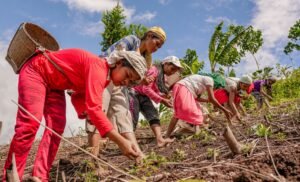
Since its inception in 2019, the Climatelinks photo gallery has grown to host more than 400 images of climate and development across 54 countries. Through community submissions and annual photo contests, the photo gallery has matured into a resource for the entire Climatelinks community. Images found in the photo gallery are available for viewing, download, and use by the Climatelinks community (with proper credit).
During November, we highlighted USAID’s work leading up to and during COP26, as well as updates regarding the new USAID draft Climate Strategy. Gillian Caldwell, the Agency’s Climate Change Coordinator, produced a blog on confronting the climate crisis, released alongside the draft Climate Strategy. Additional blogs highlighted how USAID and other development partners can support national adaptation plans and the need for immediate climate action in the Caribbean.
After many years of partnering with the U.S. Department of Energy's (DOE's) national laboratories on various energy sector studies and programs, the United States Agency for International Development's (USAID's) mission in India realized an opportunity to coalesce these initiatives into an interlaboratory consortium.