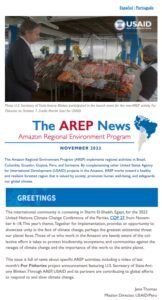
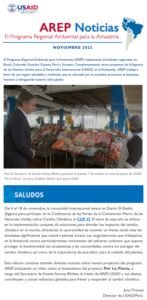
This issue is full of news about specific AREP activities, including a video of last month’s For Fisheries project announcement featuring U.S. Secretary of State Antony Blinken.
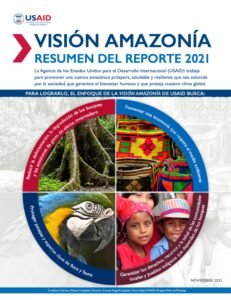
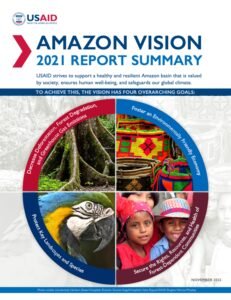
La Agencia de los Estados Unidos para el Desarrollo Internacional (USAID) trabaja para promover una cuenca amazónica próspera, saludable y resiliente que sea valorada por la sociedad, que garantice el bienestar humano y que proteja nuestro clima global.
Climate risks pose serious threats to Kenya’s sustainable development goals and development gains. With the largest economy in East Africa and a population of 54 million, Kenya serves as the region’s financial, trade, and communications hub. The country’s economy is largely dependent on rainfed agriculture, tourism and natural resources, sectors that are susceptible to climate variability and change and extreme weather events.
Guatemala continues to struggle with elevated exposure to natural hazards and the effects of climate change, including higher temperatures and more variable rainfall that increase the risk of food and water insecurity among the country’s most vulnerable.
The Eastern and Southern Caribbean (ESC) region is among the most vulnerable to global climate change, regularly and increasingly subjected to acute natural hazards such as hurricanes, strong storms, droughts, and floods.
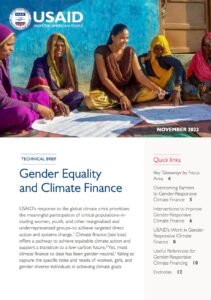
USAID’s response to the global climate crisis prioritizes the meaningful participation of critical populations–including women, youth, and other marginalized and underrepresented groups–to achieve targeted direct action and systems change.
The purpose of this report is to share progress toward the Amazon Vision’s ongoing efforts to maintain a healthy and resilient Amazon basin. This document describes the challenges and accomplishments of USAID’s biodiversity and sustainable landscape initiatives through this lens.
O Programa Regional Ambiental para a Amazônia (AREP) implementa atividades regionais no Brasil, Colômbia, Equador, Guiana, Peru, e Suriname. Complementando outros projetos da Agência dos Estados Unidos para o Desenvolvimento Internacional (USAID) na Amazônia, o AREP trabalha por uma região saudável e resiliente, valorizada pela sociedade, que promova o bem-estar humano e resguarde o nosso clima global.
El Programa Regional Ambiental para la Amazonía (AREP) implementa actividades regionales en Brasil, Colombia, Ecuador, Guyana, Perú y Surinam. Complementando otros proyectos de la Agencia de los Estados Unidos para el Desarrollo Internacional (USAID) en la Amazonía, AREP trabaja a favor de una región saludable y resiliente, que es valorada por la sociedad, promueve el bienestar humano y salvaguarda nuestro clima global.
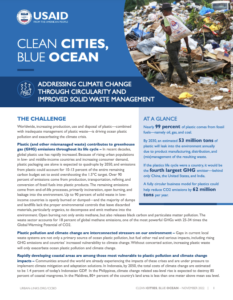
As USAID’s flagship program for addressing ocean plastic, Clean Cities, Blue Ocean (CCBO) works across the planet to implement local solutions to address global challenges as part of the Save our Seas Initiative. Through technical expertise paired with a global grants program, CCBO tests, scales, and shares locally-led, innovative, and proven solutions with governments, communities, and businesses.
USAID’s Scaling Up Renewable Energy (SURE) program held a webinar that explores opportunities in energy efficiency interventions in Sub-Saharan Africa and successful approaches for energy efficiency planning and implementation.
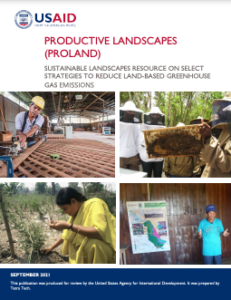
This Sustainable Landscapes Resource on Select Strategies to Reduce Land-Based Greenhouse Gas Emissions aims to assist USAID staff and implementing partners to strengthen Sustainable Landscapes / Natural Climate Solutions programs and their impacts by grounding them with theories of change -- a key requirement of USAID's program cycle (ADS Chapter 201).
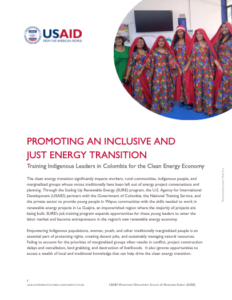
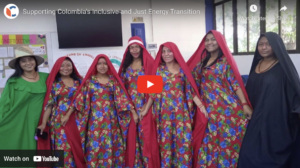
The clean energy transition significantly impacts workers, rural communities, indigenous people, and marginalized groups whose voices traditionally have been left out of energy project conversations and planning.
The Local Capacity Strengthening Policy guides USAID decisions about why and how to invest in the capacity of local partners to better achieve inclusive and locally led development.