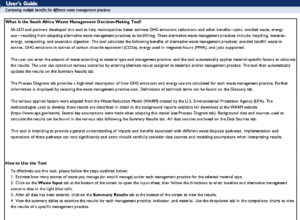
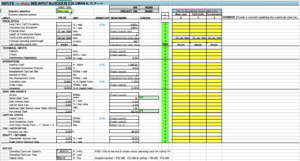
To help the Government of South Africa reduce its waste footprint, the USAID South Africa Low Emissions Development (SA-LED) program developed the South Africa Waste Management Decision-Making Tool.
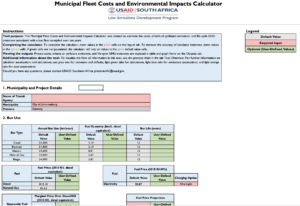
This calculator can be used to estimate the costs, air pollution emissions of fossil fuel and alternative bus fleets, and greenhouse gas emissions associated with a given municipal bus fleet over ten years.
Wastewater treatment plants consume electricity for the operation of equipment and produce methane gas, a greenhouse gas, from the process of anaerobic digestion, used to break down solid waste.
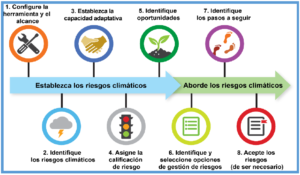
Governments around the world have recognized the potentially devastating consequences of climate variability and change to economic development, livelihood security and natural resources conservation.
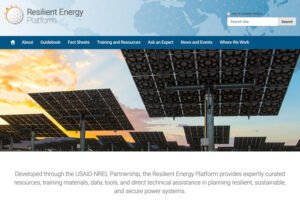
The Resilient Energy Platform supports the development of resilient, sustainable, and secure power systems with expertly curated resources, training materials, data, tools, and direct technical assistance.
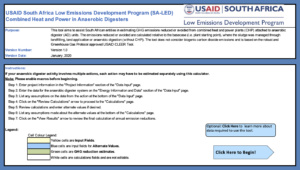
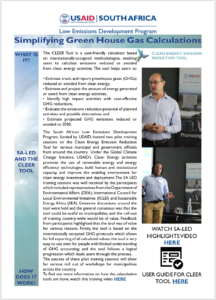
The Clean Energy Emission Reduction (CLEER) tool is a calculator that helps users to estimate and report greenhouse gas emissions reduced or avoided from clean energy activities.
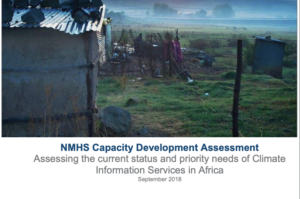
Despite covering a fifth of the world's total land area and having a population of over one billion, Africa has the least developed weather and climate observation network of all continents, and the network is deteriorating.
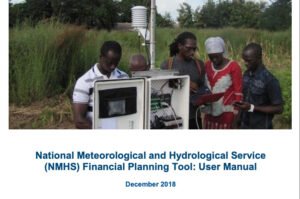
Many African National Meteorological and Hydrological Services (NMHS) contend with limited human capital, lack of financial resources, and obsolete technologies.
The CLEER Tool provides simple, standardized methodologies for calculating emission reductions from clean energy activities. The tool enables users to estimate, track, and report GHG reductions from clean energy.
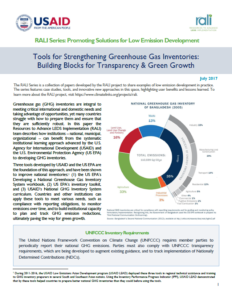
In this paper the Resources to Advance LEDS Implementation (RALI) team describes how institutions can benefit from the systematic institutional learning approach advanced by USAID and the U.S. Environmental Protection Agency to developing GHG inventories.
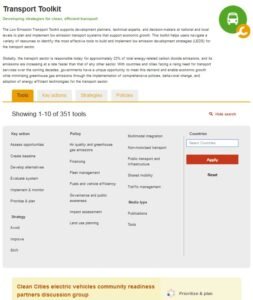
The Low Emission Transport Toolkit provides resources for development planners, technical experts and decision-makers at local and national levels, to plan and implement low emission transport systems that support economic growth.
”Climate Change in Your Sector” provides illustrative climate stresses, direct and indirect impacts, and possible adaptation and mitigation responses relevant to the sector of interest.