As developing countries work to reduce poverty, strengthen economic development, and develop sustainable pathways for future growth, the impacts of extreme events can produce devastating setbacks.
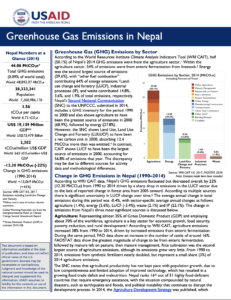
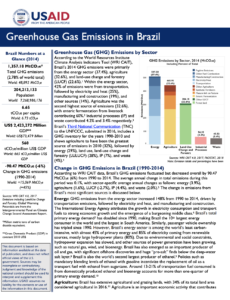
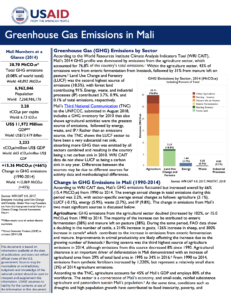
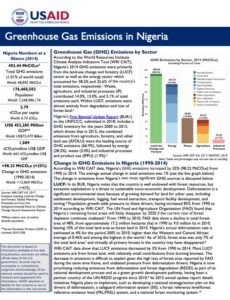
Countries around the world have set ambitious targets for reducing greenhouse gas emissions and are pursuing a breadth of mitigation actions across sectors and at all scales.
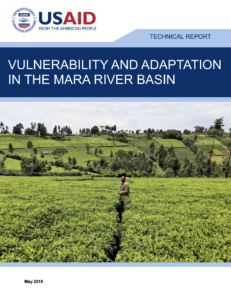
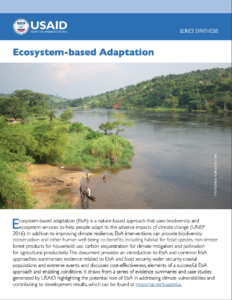
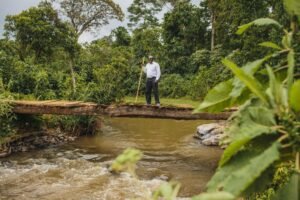
The Mara River Basin is facing critical pressures from population growth, economic development, and the land use changes these bring, posing significant challenges for water resources management, livelihoods and wildlife.
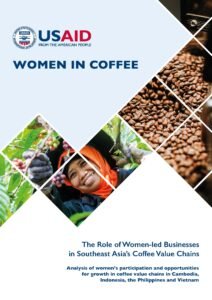
Green Invest Asia published an analysis of women’s participation and opportunities for growth in coffee value chains in Cambodia, Indonesia, the Philippines, and Vietnam.
Global water security is vulnerable to a range of climate- and weather-related risks, including floods, recurrent droughts and variable rainfall patterns.
The island nation of Jamaica faces climate risks including sea level rise, stronger tropical storms, rising temperatures, drought and more intense rainfall.
This profile provides an overview of climate risks in Kenya, including how climate change will impact agriculture and livelihoods, health and nutrition, and water resources in Kenya’s arid and semi-arid lands.
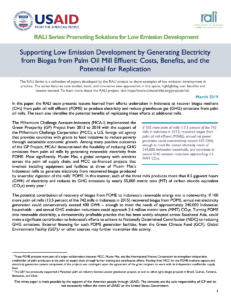
This paper presents lessons learned from efforts undertaken in Indonesia to recover biogas methane from palm oil mill effluent to produce electricity and reduce greenhouse gas emissions.
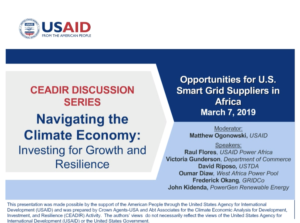
Building on the Renewable Energy and Smart Grid Suppliers Forum held in 2018, the U.S. Agency for International Development (USAID) supported a follow-on forum in March 2019.
The USAID-funded Climate Economic Analysis for Development, Investment and Resilience (CEADIR) Activity convened a webinar on opportunities for U.S. suppliers of smart grid and mini-grid products and services in Africa.