This series features Women’s Land Rights Champions within USAID to learn more about their work. We’re pleased to share this interview with Corinne Hart, USAID’s Senior Gender Advisor for Energy, Environment, and Climate.
While forests and other ecosystems could help reduce one-third of global greenhouse gas emissions by 2030, currently only about 3 percent of climate finance is invested in forest ecosystems. Southeast Asian forests have been shrinking faster than forests anywhere else in the world so it is critical for this region to balance economic growth, forest protection, and climate change mitigation efforts.
In a paper published in Earth’s Future in July 2023, scientists with the Famine Early Warning Systems Network explain how they use climate change-driven insights to predict extreme weather events long before they occur, giving organizations like USAID adequate time to respond.
The effects of climate change are threatening agricultural systems and access to nutritious food around the world. This blog explores the Conceptual Pathways between Agriculture and Nutrition independent research project.
Climatelinks newsletter recap for June 2023 ‘Urban’ theme. You won’t want to miss this short list of top programs, resources, and blogs from the month.
Several student projects around the world were recognized as winners of the 2022 USAID Science for Development Awards. The projects were in the fields of agriculture and food security, climate and environmental protection, global health, and working in crisis and conflict.
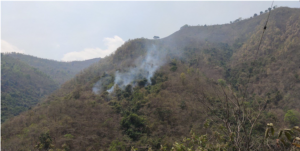
To help authorities better monitor and manage forest fires, the International Centre for Integrated Mountain Development, developed a two-day fire outlook that provides a general index of fire risk throughout Nepal’s forests.
As USAID’s Land and Resource Governance Division reflects on the climate crisis, we know that it’s crucial to continue using innovative, evidence-based, and context-appropriate approaches to address land-related challenges within the context of climate change.
USAID is putting the infrastructure in place to phase out fossil fuels and improve energy efficiency while expanding energy access in hard-to-reach places. Read on to learn how the Agency promotes clean energy and improved climate and development outcomes across the world.
Our 2023 Photo Contest theme is USAID’s Climate Strategy in Action: Confronting the Climate Crisis Across Sectors. We are looking for submissions that show the breadth of issues, impacts, and solutions to climate change across 13 categories. Submissions will be open starting July 11, 2023.
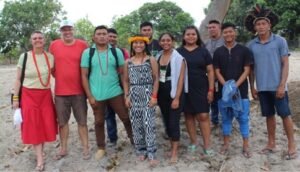
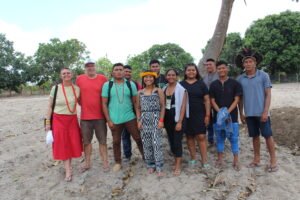
O projeto da USAID de Capacitação de Organizações Indígenas na Amazônia (SCIOA) reuniu as três organizações indígenas da Amazônia brasileira que receberam apoio nos últimos quatro anos para celebrar o final do projeto em março de 2023.
At an end-of-project event in March 2023, USAID’s Strengthening the Capacity of Indigenous Organizations in the Amazon (SCIOA) activity brought together the three Indigenous organizations it has been supporting in the Brazilian Amazon over the past four years.
In a community where livelihood activities are characterized by agricultural farming, water remains a critical natural resource. It is important for the survival of people, plants, animals and the maintenance of the ecosystem.
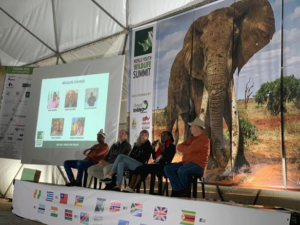
The USAID Resilient Waters Program supported Bupe Banda, the young, female, head of Zambia’s National Community Resources Board, to attend the World Youth Wildlife Summit held in South Africa on September 21st -24th, 2019.
More than half of rural people living in southern Africa do not have access to safe and reliable sanitation. That figure emerged during the development of Botswana’s new National Sanitation Roadmap 2020-2022, the country’s first ever sanitation-focused initiative.