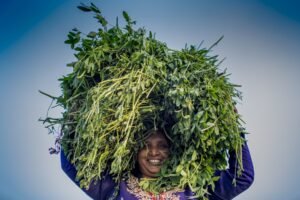
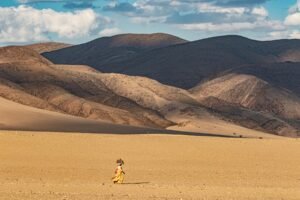
Did you miss the Climatelinks April newsletter? We’ve got you covered. Find a recap of the April 2023 ‘Gender and Social Inclusion’ theme in this recap.
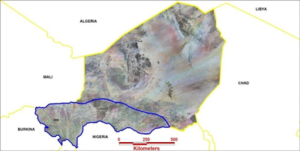
Niger is highly vulnerable to climate change and regularly experiences extreme weather. Rainfall is unpredictable, as floods give way to extended droughts resulting in unproductive agricultural lands and leading to widespread food insecurity.
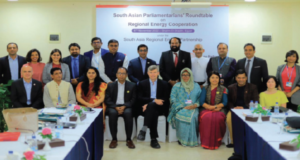
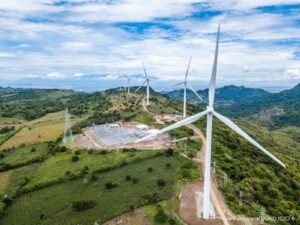
Decisions related to regional energy cooperation and CBET vis-a-vis climate action often needs to overcome political-economy realties and geopolitical considerations. Therefore, Parliamentarians and legislators have a key role to play in accelerating regional trade and cooperation.
Through focus groups with partner organizations, USAID found that partners are aware of the Special Objective and are already implementing initiatives aligned with it, like reducing greenhouse gas emissions and prioritizing local and in-country procurement.
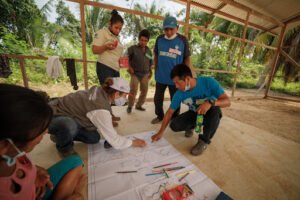
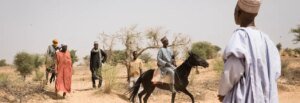
Across the Sahel, growing tensions between farmers and herders are more frequently spilling over into deadly clashes. Rapid population growth, along with the impacts of climate change such as extreme drought and increasingly unpredictable weather patterns, are intensifying pressures on land and associated natural resources, contributing to this uptick in violence.
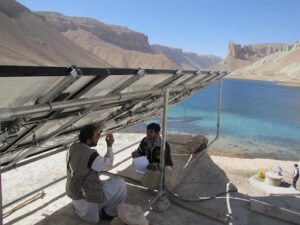
Energy is a key strategic area between the United States and India. Progress in US-India energy cooperation has boosted economies and contributed benefits ranging from electrifying industries, powering the transport of agricultural products to enabling access of remote villages to power.
USAID and global online retailer Amazon discuss how and why they have joined forces to address the massive gap in gender-equitable climate finance through the newly launched Climate Gender Equity Fund. Read the full Q&A here.
USAID has been investing in the planet — and all of us who depend on it — for decades. From conserving key species to empowering communities who depend on natural resources, the Agency and its partners are working across the globe to safeguard nature.
USAID/India supports a clean energy transition, systemic reforms, expanded economic development, increased private sector participation and new regional investments, expanding regional trade, and cross-border energy cooperation.
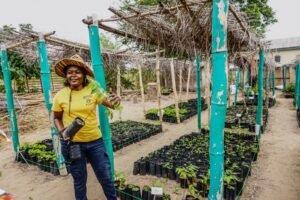
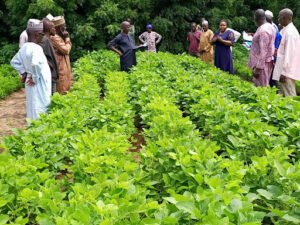
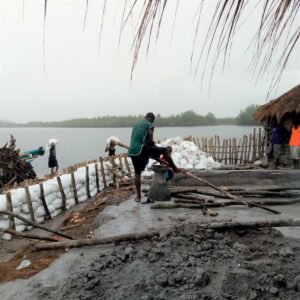
Nuru Nigeria hosted a “Green Field Day” through the USAID-funded Building Sustainable Livelihoods Program. Green Field Day provides a rare learning opportunity for communities in fragile contexts to learn about critical adaptation techniques to prepare for and manage worsening climatic conditions.
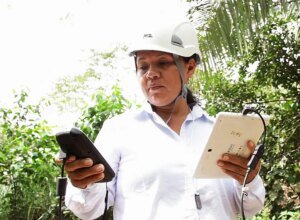
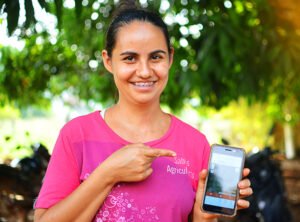
The SERVIR-Amazonia Program identified an urgent need for a geospatial tool that could help them monitor land changes and threats to their integrity and to help them plan their production. That is how TerraOnTrack was born. It is a smartphone app designed to geospatially monitor socio-environmental changes across areas or regions.
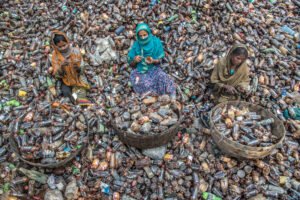
In the city of Barishal, Bangladesh, female workers at a recycling facility sort through tens of thousands of plastic items collected from households, restaurants, hotels, and markets across the city.
When the Climate Strategy launched, Climatelinks built a hub as an easy way for climate and development professionals to find Climate Strategy resources. In this blog you will find a compilation of some of the most popular resources on the Climatelinks Climate Strategy hub.
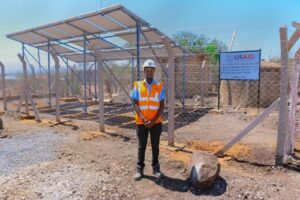
Recent work by the USAID Water, Sanitation, and Hygiene Finance (WASH-FIN) activity to support water service providers (WSPs) in Northern Kenya, provide hope—and a potential way forward—for meeting critical needs and building climate resilience at scale.
At the Isimba Hydroelectric Plant in Uganda, this woman and her colleagues at the Uganda Electricity Generation Company Limited (UEGCL) gave experts from the Chelan Public Utility District, Moore Ventures, and Mead & Hunt a tour of the power station while the experts spoke extensively on dam safety and water resource management.
With training from Heifer Nepal, this farmer learned about better feeding practices and other livestock care techniques, quadrupling the amount of milk her cows produce for her family’s food and income. By feeding their cattle a gut-friendly diet year-round, the farmer and her community are caring for the environment by aiding in reducing methane emissions produced by livestock.
An interview on procurement and USAID’s Climate Strategy with Jennifer Norling, Evaluation Division Chief, USAID Bureau for Management, Office of Acquisition and Assistance.
The development of the Women in Power System Transformation initiative is a significant step towards advancing climate efforts and gender equality around the world. Women in PST is bringing together leading institutions focused on gender diversity and equality in the energy and other sectors to support students, researchers, and power sector practitioners.