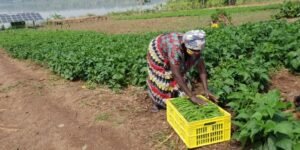
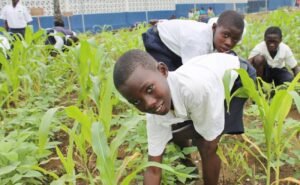
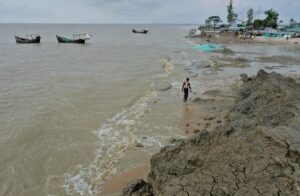
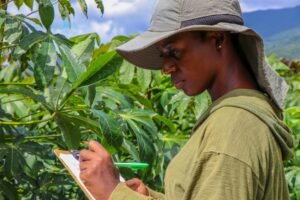
The five-year Feed the Future Hinga Weze project closed in 2022 after supporting the sustainable intensification of Rwandan smallholder farming systems for 733,000 farmers. The project worked to increase the resilience of Rwanda’s agricultural and food systems to a changing climate.
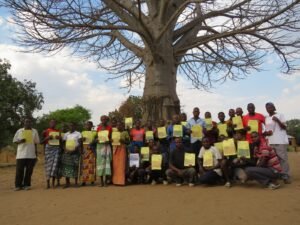
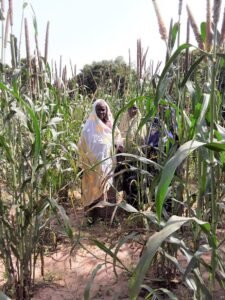
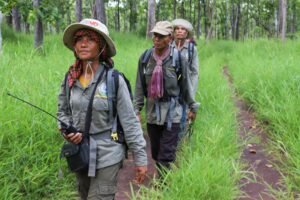
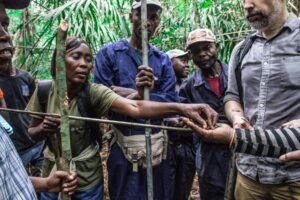
In the North Luangwa landscape of Zambia, the USAID Integrated Land and Resource Governance program is working with the Frankfurt Zoological Society to document the land rights of farmers like the community of Tindiza in Chikwa Chiefdom.
USAID has been working around the world — and in the Dominican Republic — for more than 61 years to promote a more sustainable future for all. By working with educators, USAID is helping to raise awareness about climate change and unsustainable practices. By raising citizen consciousness for the environment, USAID can help reduce climate threats, protect habitats, and work toward a better future with sustainable solutions.
Did you miss the Climatelinks March newsletter? We’ve got you covered. Please find a recap of the March 2023 ‘Gender and Social Inclusion’ theme below. You won’t want to miss this short list of top programs, resources, and blogs from the month.
USAID has developed dozens of resources to aid climate and development practitioners in their work at the intersections of climate, gender, and social inclusion. Climatelinks is proud to host a variety of these resources, from technical reports and analyses to fact sheets. This blog compiles some recently added gender and social inclusion resources.
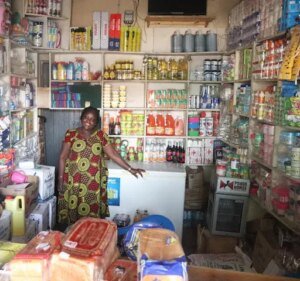
In Uganda, USAID, and Berkeley Lab partnered with Clean Energy Enthusiasts to help women entrepreneurs upgrade to more efficient and productive electric equipment. After conducting a survey of small business owners on the challenges of accessing and financing efficient electric equipment, the team trained 240 women small business owners in eight districts across Uganda.
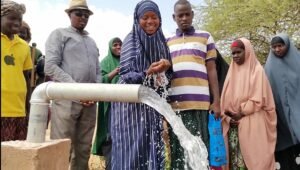
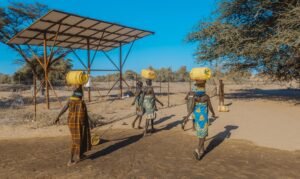
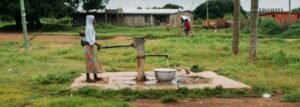
Millions of people lack access to clean and safe water, especially in developing regions like the West Africa Sahel. The situation is even more dire for women and girls, who often bear the burden of fetching water, sometimes walking miles a day to bring fresh water back to their families.
Earth Day in 2023 will be recognized on April 22 and like each year since the first Earth Day in 1970, it will raise awareness of environmental issues, mobilize support for the planet, and promote action for a more sustainable future.
Did you miss the Climatelinks February newsletter? We’ve got you covered. Please find a recap of the February 2023 ‘Climate Resilience’ theme below. You won’t want to miss this short list of top programs, resources, and blogs from the month.
By using a collective impact approach, Winrock can – and does ─ help communities to identify the obstacles facing frontline or marginalized inhabitants and act based on self-education. Examples of this approach abound, ranging from the current USAID Reducing Pollution project, which has engaged participants from across Vietnam’s government to analyze air and plastic pollution issues, and create data-based action plans, to our recently-concluded Vietnam Forests and Deltas project.
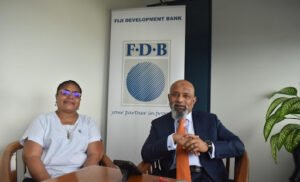
With support from the USAID Climate Ready project, award-winning FDB was the first development bank in the South Pacific to be accredited to the Green Climate Fund (GCF), the world’s largest climate fund. In 2017, it became a Direct Access Entity, meaning it can submit funding proposals to the GCF and oversee the funded projects. Such accreditation is a pathway for countries to gain access to funds that can enable them to act on their own climate change priorities.
Adaptation to water insecurity can create valuable opportunities to redress imbalances in decision-making power between men and women, or between different ethnic and socio-economic groups.
SCALE-NRM is helping communities and the provincial government of Malaita in the Solomon Islands to co-design conservation economies that empower islanders to benefit directly from ecosystems protection.
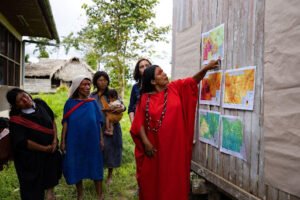
En las zonas más remotas de esta región, los efectos del cambio climático incluyen lluvias menos previsibles, temperaturas más cálidas y cambios en la humedad, afectando gravemente a las 1.5 millones de personas pertenecientes a pueblos indígenas que viven dentro del bioma amazónico.
Catch the recap of the January 2023 ‘Climate Resilience’ theme here. You won’t want to miss this short list of top programs, resources, and blogs from the month.
Published research on the intersection of gender, climate change and livestock production in low- and middle-income countries (LMIC) is scarce. Some studies may address two of these issues, but hardly any address all three.
The Environment & Climate Advisor is considered an expert in areas related to the climate assessment of USAID’s actions overseas and will serve as the Climate Integration Lead for E&E. Learn more here.
EnCompass is seeking a Climate and Environment Special Assistant (USAID TOPS) to provide administrative assistance and support to USAID’s Center for Environment, Energy, and Infrastructure (EEI), although the position will be placed in the EEI Natural Environment Unit.