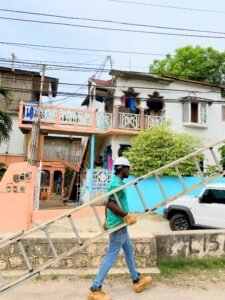
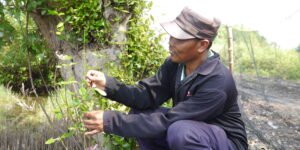
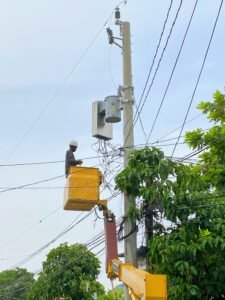
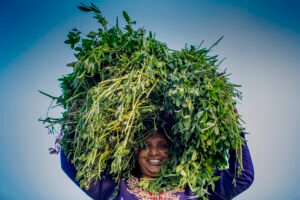
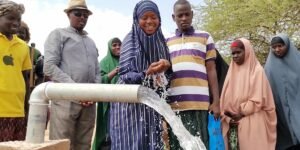
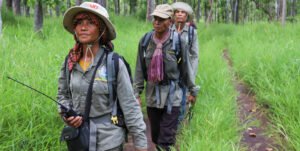
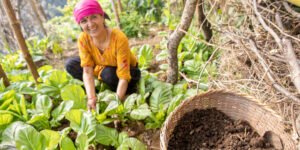
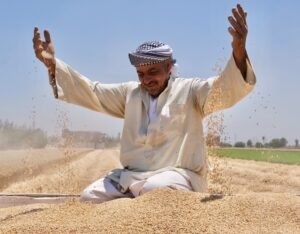
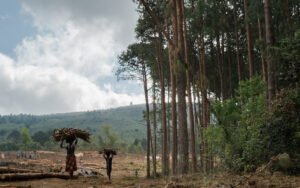
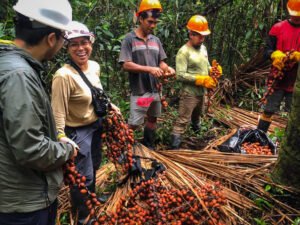
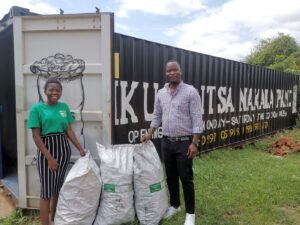
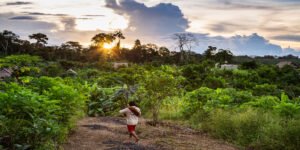
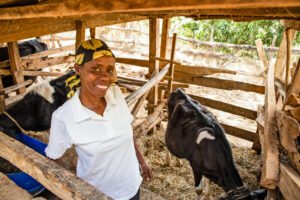
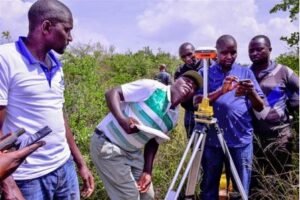
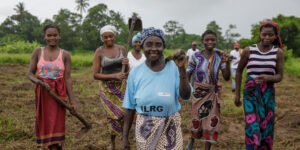
The Climatelinks photo gallery has more than 600 images from 71 countries, covering a range of topics from agriculture to water security. Check out some photos that you may have missed in 2022.
In 2022, the Climatelinks community submitted resources on topics ranging from a series of climate change videos to the recently released e-textbooks and online training modules. Explore the five most visited resources on Climatelinks this year.
Over the course of 2022, Climatelinks has amplified dozens of blogs that bring to light important topics ranging from renewable energy to water security. Check out our top five blogs from 2022!
Over the course of 2022, Climatelinks has shared dozens of videos and webinars touching on a variety of themes. Check out some videos you may have missed!
Locally led development and private-sector engagement are two of the five foundational principles which will be incorporated into all of USAID’s planning and activities under its 2022-2030 Climate Strategy.
Colombia is making historic strides towards achieving carbon neutrality with a goal of 100 percent national energy access by 2030 to meet its revised Nationally Determined Contribution.
This documentary from USAID's Modern Cooking for Healthy Forests in Malawi explains the factors that exacerbate illegal charcoal production, transportation, and sale in urban areas of charcoal demand.
Kandodo markets biogas solutions from his start-up EcoGen, and now he sees farmers in a different light: a source of large amounts of organic waste and a target for fertilizer.
Throughout the second week of the 27th UNFCCC Conference of the Parties (COP27), Climatelinks featured blogs related themes, such as such as gender, energy, and climate resilience and the ways that USAID is working to advance its climate goals. Here’s a recap of the week-two blogs.
Throughout the first week of the 27th UNFCCC Conference of the Parties (COP27) gathered in Sharm el-Sheikh, Climatelinks featured blogs related to the themes of each day, along with ways that USAID is working advance its climate goals. Here’s a recap of the week-one blogs.
The recently published Amazon Vision 2021 Report provides insight into USAID's work to conserve biodiversity and reduce the loss of carbon from the Amazon region. It unifies the Agency’s goals of combating deforestation, conserving biodiversity, creating environmentally friendly economic opportunities, improving the management of important landscapes, and supporting Indigenous rights in Brazil, Colombia, Ecuador, Guyana, Peru, and Suriname.
To explore whether certain agricultural interventions may be a win-win to simultaneously meet both climate and food security goals, USAID leveraged the ongoing Feed the Future Kenya Crops and Dairy Activity to determine the impact of the project’s dairy value chain activities on methane emissions intensity in any geographic zone being assessed, as well as the impact of improved dairy practices on smallholder dairy productivity.
COP27, which concludes in Egypt today, provides an important moment to reflect on the action that USAID has taken over the past year to advance its COP26 commitment, which includes supporting the mobilization of $1 billion in climate-resilient water and sanitation services by 2030.
Climate finance can and should be more inclusive of marginalized and underserved groups, including women, youth, Indigenous Peoples, low-income people, and people in remote areas. To that end, we believe it is essential for private investors to distinguish between two types of inclusion when designing climate investments: Individual inclusion, which engages individual members of a marginalized group, and collective inclusion, which engages a marginalized group as a whole.