In the fight against climate change, the private sector plays a strategic role in addressing development challenges. This blog describes how USAID partners with the private sector to consult, strategize, align, collaborate, and implement technological, financial, or strategic solutions to conservation, adaptation, and mitigation challenges.
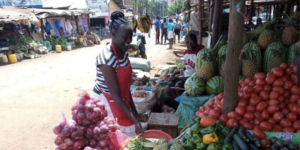
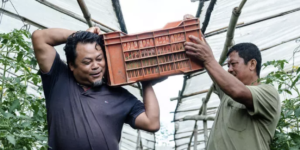
In Kenya, USAID and USDA are partnering with the Fresh Produce Consortium of Kenya to pilot the new Food Loss and Waste Value Chain Selection Guide. This guide helps identify and evaluate which value chains should be prioritized to reduce food loss and waste, promote food security and nutrition, and help with environmental sustainability efforts.
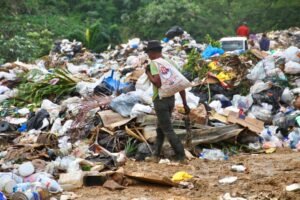
With a presence in 100 countries and more than 10,000 staff globally, USAID has a unique and timely opportunity to help reshape the renewable energy ecosystem and promote the adoption of a circular economy approach to renewable energy, plastics, and other sectors – helping to shift the balance of natural resource use for all our stuff from one of waste and disposability to one of sustainability while providing and creating new economic opportunities.
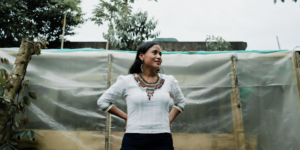
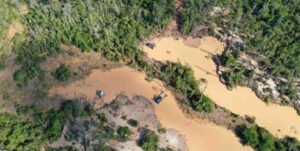
Private sector engagement is one of the foundational principles of the USAID Climate Strategy. In the Amazon Region of Brazil, Colombia, Ecuador, and Peru, the Amazon Regional Environment Program is working with the private sector to help confront climate change.
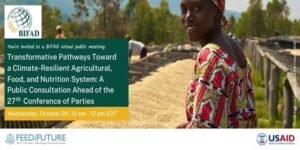
In the lead-up to the 2022 United Nations Framework Convention on Climate Change 27th Conference of Parties (COP27), the Board for International Food and Agricultural Development (BIFAD) will host its 187th public meeting, focused on the ongoing BIFAD-commissioned study on systemic solutions for climate change adaptation and mitigation in agricultural, nutrition, and food systems. Registration is open for this October 26th meeting, and the public is invited to comment on preliminary findings.
Did you miss the Climatelinks September newsletter? We’ve got you covered. Please find a recap of the September 2022 ‘Private-Sector Engagement and PREPARE’ theme below. You won’t want to miss this short list of top programs, resources, and blogs from the month. Do you want to contribute to the Climatelinks community? Send us a resource, blog, or event.
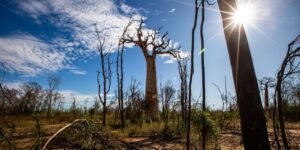
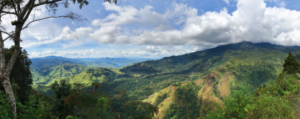
Illegal farming is threatening Madagascar's largest dry forest in the Menabe Antimena Protected Area. With the support of USAID Hay Tao, the forests and their unique biodiversity have a better chance of withstanding the complex challenges facing one of the poorest countries in the world, whose citizens depend on its natural resources for their livelihoods.
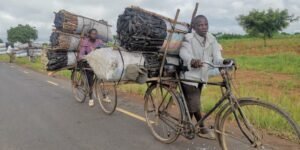
Co-funded by USAID and UKaid, Modern Cooking for Healthy Forests is a five-year climate change activity designed to support the Government of Malawi to address the growing charcoal-led deforestation crisis.
Climate adaptation strategies should make more concerted efforts to incorporate the multi-dimensional nature of women’s empowerment, as this research shows the important role of women’s decision-making in strengthening agricultural resilience to climate change.
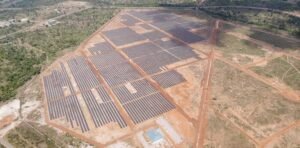
As energy demand increases in Ghana, its government is seeking to diversify the country's energy mix and find innovative ways to integrate variable renewable energy (VRE) into its national grid. USAID and the U.S. Department of Energy's National Renewable Energy Laboratory (NREL) are promoting the development of new hydro-solar resources.
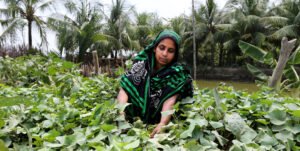
Surendra Bahadur Rana and his brothers live in Palpa District, Nepal. While not the highest district in the mountainous country, it is one of the drier ones, and like so many other people in Nepal, Surendra has always relied on rainfall to water his small family farm. Under PREPARE, USAID has promoted climate change adaptation techniques to nearly 137,000 farmers.
USAID is helping decision makers visualize and plan where investments in land-based climate mitigation can be most effective while also providing co-benefits for both people and the environment.
Climate security is an essential conceptual framework to understand the global interplay of biophysical and socioeconomic forces that threaten our planet.
The project, Gender-sensitive Agricultural Index-based Insurance (GAIINS), will be implemented through the SERVIR Eastern and Southern Africa (E&SA) program.
SERVIR Amazonia supports sustainable development throughout the Amazon region by strengthening the capacity of governments and other key stakeholders through the integration of Earth Observation and geospatial technologies.