In August, Climatelinks explored USAID’s climate work that has been featured on other “Links” sites. Cross-sectoral climate action is essential for preparing communities around the world to manage the impacts of climate change and prevent worst-case climate scenarios.
With the U.S. Agency for International Development’s (USAID) portfolio of climate change programs, partnerships, and expertise around the globe, the Agency is positioned to answer the global call to action for the climate crisis.
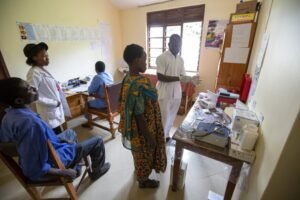
Across sub-Saharan Africa (SSA), approximately 60% of healthcare facilities are without electricity access. Without such access, healthcare providers face difficult and all-too-often dangerous challenges.
We are proud to announce that Climatelinks was selected to receive the 2021 WebAward for Outstanding Achievement in Web Development in the category of Environmental Standard of Excellence.
Electrifying health facilities can be accomplished through one of two approaches: connecting to a utility grid or on-site generation. The combination of these two technologies is much cleaner than using diesel generators, the preferred mode of rural clinics for providing off-grid power, and over time is less expensive. Renewable energy solutions such as solar also reduce future greenhouse gas emissions that contribute to climate change.
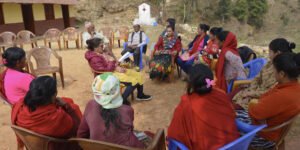
How do we build inclusive spaces when developing geospatial services? How can we ensure that the services developed by SERVIR benefit all of society—particularly the most vulnerable—in the context of a rapidly changing climate?
Despite the government’s deliberate initiatives to reach more people, Tanzania lags behind in its grid electricity connection targets. Only 24.5% of rural households in Tanzania have access to electricity. To help realize a future where all people enjoy the benefits of modern energy, Pact develops solutions and implements projects to expand access to affordable, reliable and sustainable energy and the means to use energy productively.
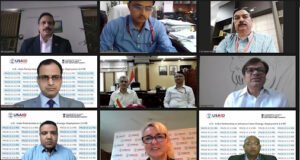
USAID has partnered with India to develop projects that support the achievement of these clean energy targets and overall decarbonization of the power sector.
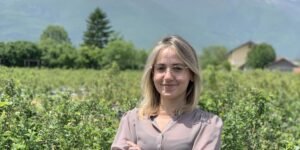
With support from the United States Agency for International Development (USAID) Green Invest Asia program, the Hong-Kong based verifier, Carbon Care Asia, confirmed that Lionheart Farms has processes and controls in place to issue a green bond.
There is growing momentum in the international community to ramp up climate finance for mitigation and adaptation actions. Undoubtedly, a focus on climate change adaptation in the developing world must be a priority for the financing.
USAID’s work across numerous sectors helps countries achieve ambitious climate targets and aids in building the foundation for sustainable growth through natural climate solutions.
On World Water Day, March 22, 2021, USAID announced its second annual Water Warrior Awards, which recognizes the value of its water, sanitation, and hygiene (WASH) leads who work on the front lines with local partners and communities.
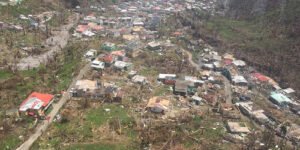
Countries in the Eastern and Southern Caribbean have always been vulnerable to natural hazards, but climate change trends project that disasters—hurricanes, tropical storms, flash floods, drought, and extreme heat—are becoming more frequent, intense, costly, and time-consuming to recover from.
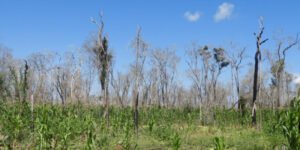
Inside the protected area of Menabe Antimena is Madagascar's largest dry forest--45% of which has disappeared in only the last 10 years due to massive deforestation, fires, migration, illegal maize cultivation, corruption and unscrupulous private interests. Menabe Antimena is one of the many critical ecosystems that the USAID Hay Tao project is working to protect.
During its six years, the USAID Agricultural Growth and Rural Opportunities (USAID AGRO) Activity solidified and sustained its achievements by fully integrating climate risk management (CRM) into its agricultural development approach.
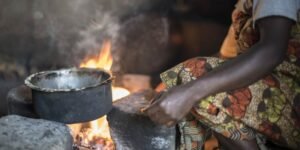
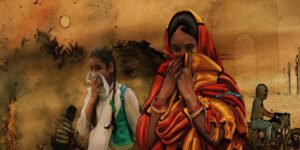
In July, Climatelinks explored the important health and climate impacts of air pollution. As the world’s largest environmental health risk, air pollution contributes to approximately 6.7 million premature deaths each year. This is a significant development challenge, as low and middle income countries are at the highest risk for the greatest health burdens from poor air quality.
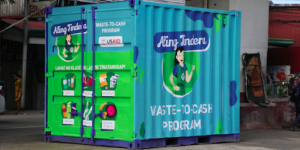
In the Philippines, women are leading the way in reducing plastic waste pollution by creating circular economies where waste is used and reused as a resource. This also offsets climate change-fueling emissions.
CGIAR has developed biofortified crop varieties and supportive seed, production and post-harvest technologies that can contribute significantly to meeting humanitarian nutrition interventions in fragile environments.