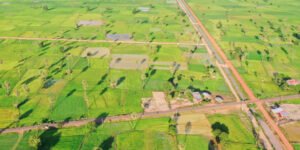
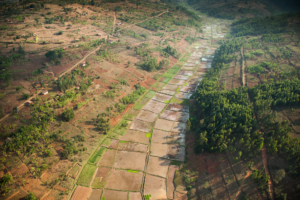
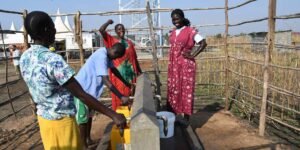
Efforts are underway to secure land titles for community members who want to access the irrigation system. Proof of land ownership is required to gain access to irrigated water.
In the dairy sector, low-emissions development (LED) often utilizes intensification practices that reduce greenhouse gas (GHG) emissions and increase yield. However, LED focuses on technical practices and outcomes, seldom considering the subsequent impacts on women’s and men's social distribution of burdens and benefits.
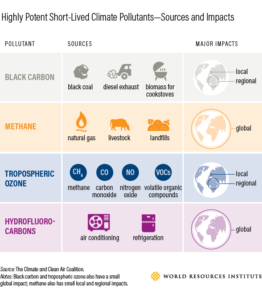
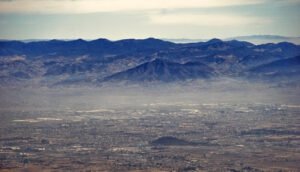
Across the globe, people are struggling to improve air quality, but the sources of pollution that cause the most harm are a moving target. They can differ by location, time of year, and time of day.
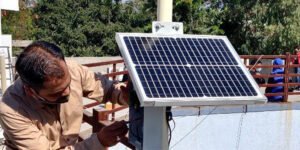
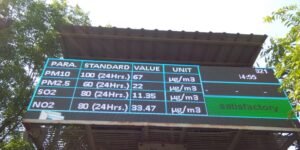
After its success with improving solid waste and water management, the city of Indore, India has consistently been ranked the cleanest city in that country by the government’s annual Swachh Survekshan survey. Now, Indore is focused on having cleaner skies.
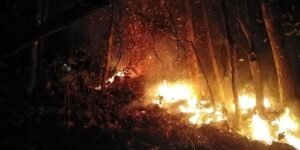
March marks the onset of the dry and hot season in Thailand. In the region, dry vegetation coupled with small human-made fires often result in uncontrolled forest fires. Agricultural burning and forest fires, including transboundary haze, contribute to high levels of pollution.
Climate change and population growth are increasing concerns for global food security. Greenhouse gases in the atmosphere have reached record high levels and the world is currently on track to overshoot the targets of the Paris Agreement.
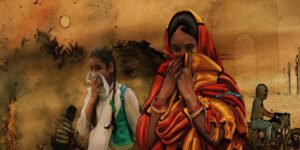
Air pollution affects women and girls differently than men and boys. These differences include biological and socioeconomic disparities, and unequal gender norms that affect exposure type and frequency.
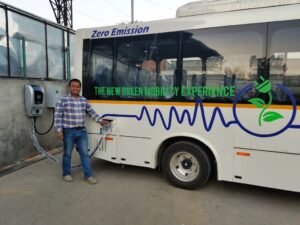
Poor air quality and climate change are major challenges facing Nepal. Air pollution poses the second highest risk factor for death and disability in the country, behind only malnutrition. Meanwhile, scientists predict that Nepal will be especially vulnerable to climate change over the next century.
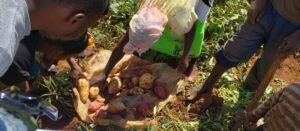
This innovative partnership between USAID and PepsiCo is demonstrating that women’s empowerment can increase the potato supplier base for PepsiCo, improve yields and profitability for rural farmers and PepsiCo, and promote the adoption of sustainable and regenerative farming practices.
In June, Climatelinks explored the important linkages between health and climate change. Between 2030 and 2050, climate change is expected to cause approximately 250,000 deaths per year from malnutrition, malaria, diarrhea, and heat stress.
Rwanda is among the smallest countries in mainland Africa, roughly the size of Maryland with twice the population. Less land area means harder decisions, such as balancing land allocated for agriculture versus areas designated for forest conservation.
Air pollution is the world’s largest environmental health risk, contributing to an estimated 6.7 million premature deaths each year globally. It is also a critical development challenge because low and middle income countries (LMICs) experience the greatest health burdens from poor air quality.
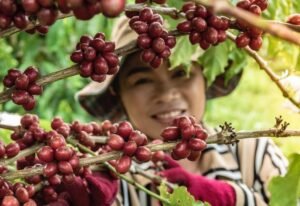
Milk or sugar? Americano or cappuccino? When it comes to coffee, these are more commonly asked questions than what concerns me as a coffee-drinking forester: What is coffee’s carbon footprint? Has this cup contributed to deforestation? These questions also concern coffee buyers trying to “green” their supply chains.
Air pollution is a major issue in Latin America and the Caribbean (LAC), where its impacts not only contribute to climate change, but also create major health risks for those living in the region.
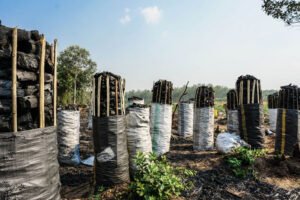
Stacks of sustainable charcoal produced at Mampu cooperative site outside of Kinshasa visited as part of a scoping mission looking at alternative local species to integrate into agroforestry woodfuel systems to increase the volume of sustainable charcoal supply for urban areas in the Democratic Republic of the Congo.
In South Africa, for every kilowatt hour (kWh) of electricity produced, 1 kilogram (kg) of carbon dioxide (CO2) is emitted, 1.4 liters of water are used, and 0.37 grams of particulate emissions - which cause harmful air pollution - are released into the atmosphere.
Climate change is affecting water supplies around the world. Whether too little water in the form of prolonged and severe droughts or too much through flooding from heavy storms, extreme weather events are reducing the availability of surface water.