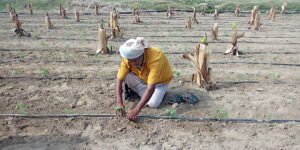
In the dry, rugged landscape of south-central Yemen, Anower Al Bosair tends tomatoes on the small farm that supports his large family. Though the region is severely affected by water shortages, Al Bosair’s tomatoes are thriving.
On April 23, 2021, the White House called for a Global Climate Ambition Initiative to “support developing countries in... implementing their nationally determined contributions and... enhance and meet their climate goals in ways that further their national development priorities.”
In May, Climatelinks explored the important role that women and girls—in all their diversity—play in responding to climate change. We featured how the Advancing Gender in the Environment (AGENT) partnership harnesses data for climate advocacy and action through a gender lens.
Climate change can drive zoonotic diseases––diseases that spread from animals to humans such as COVID-19––due to the expanded range of warmer latitudes.
Agricultural market systems are transforming because of climate change. Although each transformation is unique, they occur in places where there are adequate market systems and institutional capacity to enable them to adapt.
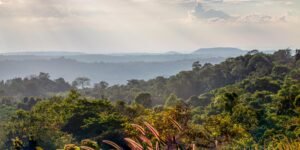
The Keo Seima Wildlife Sanctuary in eastern Cambodia, is the first sustainably financed protected area in Cambodia. This blog explains the market dynamics and project features that make this site an attractive proposition for voluntary carbon markets.
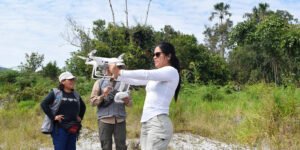
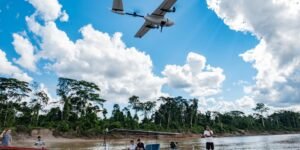
Geospatial services can benefit the people and the environment of the Amazon by supporting communities in monitoring their territories and addressing the various challenges they face.
According to the recently released Amazon Vision 2020 Report, USAID and its global partners improved the management and conditions of key landscapes in the Amazon, working on more than 48 million hectares.
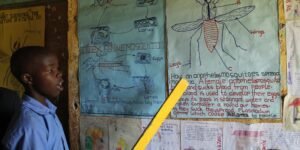
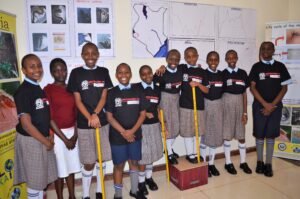
Students from St. Scholastica Primary School in Nairobi, Kenya studied the links between weather patterns and malaria occurrences using mosquito habitat mapping within the Lake Victoria region in Kenya.
As COVID-19 has made us all painfully aware, there can be serious global consequences when disease-causing pathogens make the leap to humans from other animals.
The water-energy-food nexus represents a $5 trillion consumer market, millions of livelihoods, and the source of all food that people around the world eat.
Climate change impacts land use, fresh water supply, and clean air and places a disproportionate burden on vulnerable and marginalized populations, especially women and girls.
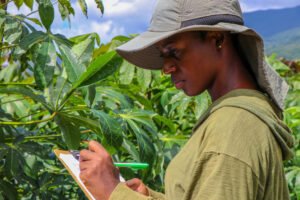
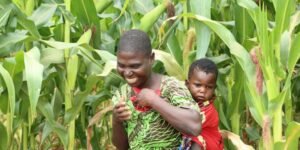
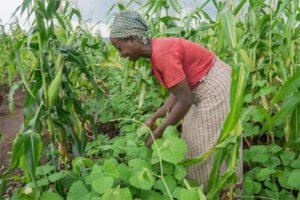
Research increasingly shows that climate change disproportionately impacts women, and we can see this unfold in agriculture. Mozambique is one of the most susceptible countries to climate change in the world.
Our 2021 Photo Contest theme is Climate Change and People: The Challenges and Opportunities. We’re looking for submissions that capture the human dimension of climate change, in particular, social and economic responses to global change.
“[Women are] disproportionately impacted by climate change, more vulnerable to gender-based violence, and therefore disproportionately impacted by conflict.” – Vice President Kamala Harris, remarks to the 65th Session of the Commission on the Status of Women
In association with the Leaders Summit on Climate Change, hosted by President Biden April 22 and 23, partners of the LEDS Global Partnership (LEDS GP) announced the following high-ambition regional and global initiatives.