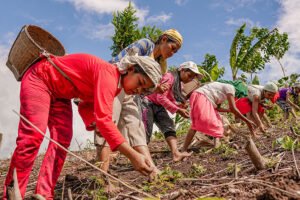
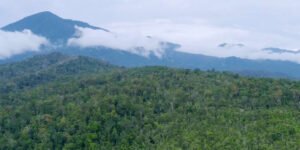
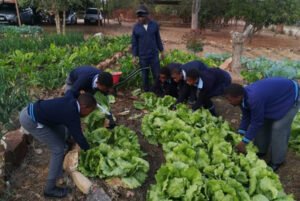
Indigenous women farmers in Bataraza, southern Palawan, Philippines, plant upland rice in now-controlled slash-and-burn areas. Bataraza is a municipality nestled in the foothills of Mount Mantaligahan, 140 km south of Puerto Princesa City in Palawan, Philippines.
Climate mitigation is essential for helping communities prepare for the impacts of climate change and prevent worst-case climate scenarios. USAID helps countries achieve more ambitious climate targets under the Paris Agreement and provides the foundations for sustainable growth through renewable energy and natural climate solutions.
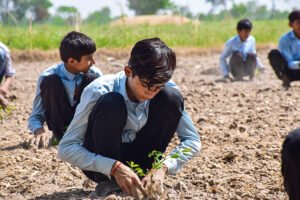
It’s not unusual to see stretches of dry land in Niger, West Africa. The Saharan terrain is often baked by the scorching sun. However, for 18 year-old Rimana Issoufou Hassane Mayak, the climate she has known all her life is changing. And, as she makes her way to school, she notices something different almost every day.
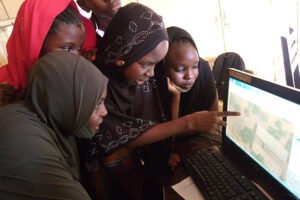
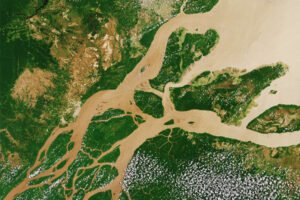
Geospatial services can benefit the people and the environment of the Amazon by supporting communities in monitoring their territories and addressing the various challenges they face, such as deforestation, illegal mining, climate change, and biodiversity loss.
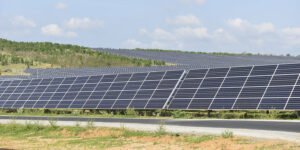
As one of the most densely populated countries in the world, Bangladesh understands how critical a reliable energy supply is to the country's growth. However, Bangladesh is currently dependent on a waning natural gas supply and has reached a point where it must evaluate energy independent paths that are sustainable, cost-effective, and ensure long-term domestic energy supply.
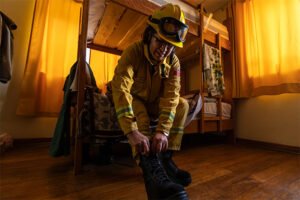
When the Incan ruins of Machu Picchu were threatened by forest fires last September, firefighter Jessica Morón and her wildland firefighting team battled the flames to protect the historic sanctuary and its surrounding biodiversity.
Improving energy efficiency is an integral but often-overlooked part of low-emission development (LED) strategies that can help countries reach their climate targets while meeting growing demands for energy.
The United States and the world face a profound climate crisis. Climate change is not just a looming existential threat, it is currently threatening development progress and exacerbating global inequities; increasing humanitarian needs, food and water insecurity, and displacement; and contributing to conflict.
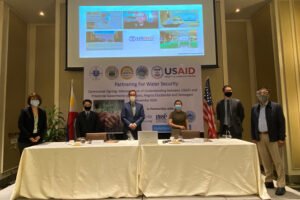
“With new and improved data-driven analyses capabilities and better, more frequent reporting accompanied by resonating public communication campaigns, local actors may be motivated — even compelled — to improve water resource management that can benefit all Filipinos.”
The DDI Bureau is seeking to hire a Natural Resource Management Officer who will serve as a senior climate change and land advisor at the FSL-02 grade. This position is based in Washington, DC in the Natural Climate Solutions (NCS) Division within the Natural Environment (NE) Branch of the Center for Environment, Energy and Infrastructure (EEI) in the Bureau of Development, Democracy, and Innovation.
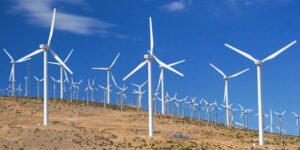
Limiting global warming to 1.5 degrees Celsius demands a dramatically different power sector – one that helps reduce overall greenhouse gas (GHG) emissions by 7.6 percent globally each year from 2020 to 2030.
The convergence of tropical atmospheric currents generate a steady wind across Northern Colombia. This persistent climatic phenomenon provides the potential for a very reliable and expansive source of wind-generated power.
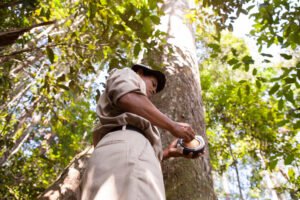
In Indonesia’s Papua Province, a province on the eastern edge of the Indonesian archipelago that shares an island with the nation of Papua New Guinea, reducing deforestation is the most effective way to decrease greenhouse gas emissions.
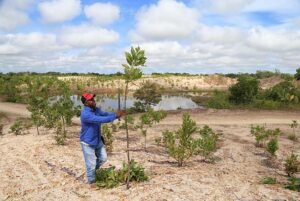
Earth Day 2021’s theme is “Restore Our Earth,” focusing on the central role that nature can play in combating the climate crisis. It’s a timely theme: on Earth Day, President Biden is hosting a Leaders’ Summit on Climate to increase global ambition to address the climate crisis and galvanize efforts to keep the vital goal of limiting warming to 1.5 degrees Celsius within reach.
The USAID Mission in Cambodia (USAID/Cambodia) plays a major role in addressing environmental problems, such as climate change, through its financial support to local and international non-governmental organizations.
Climate mitigation and support for the Government of South Africa’s green growth agenda were central to the conception of USAID South Africa Low Emissions Development Program (SA-LED).
South Asia, home to a quarter of the world’s population and a major energy consumer with some of the fastest-growing economies in the world, is also home to some of the greatest climate disasters.