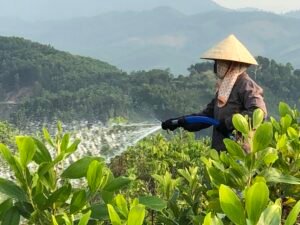
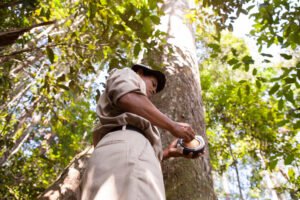
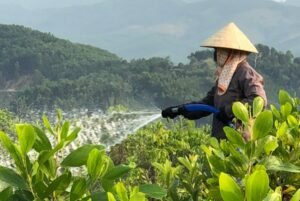
This blog series features interviews with the winners of the 2020 Climatelinks Photo Contest. This photo, submitted on behalf of the USAID Green Annamites Project, is available on the Climatelinks Photo Gallery.
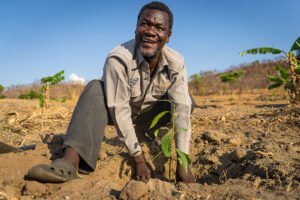
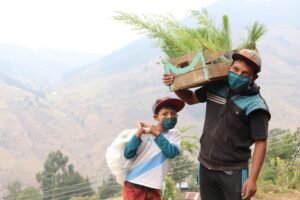
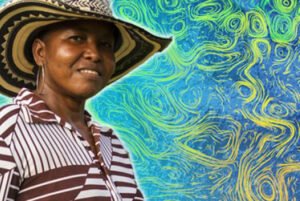
This photo, submitted on behalf of the USAID Bureau for Humanitarian Assistance and United Nations World Food Programme, is available on the Climatelinks Photo Gallery.
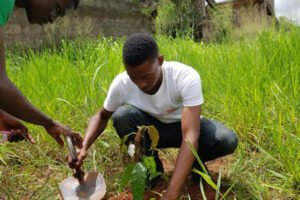
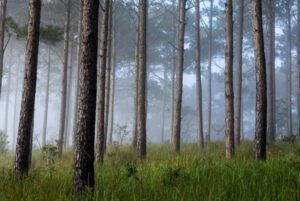
This blog series features interviews with the winners of the 2020 Climatelinks Photo Contest. This photo, submitted by Moniruzzaman Sazal, is available on the Climatelinks Photo Gallery.
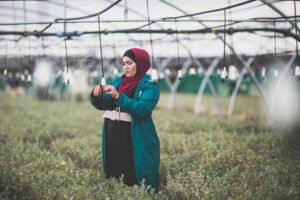
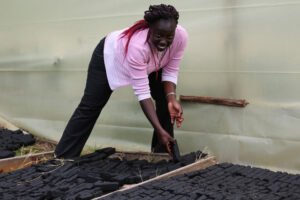
This blog series features interviews with the winners of the 2020 Climatelinks Photo Contest. This photo, submitted by Jordan’s Watershed and Development Initiative (WADI), is available on the Climatelinks Photo Gallery.
Climatelinks has a new design and updated content – just in time for the United States to rejoin the Paris Climate Accord. The site has been revamped to better meet the needs of the USAID, its climate and development partners, and the climate community around the world.
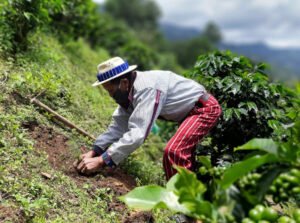
The Feed the Future Guatemala Coffee Value Chains Project in Guatemala’s Western Highlands provides technical assistance to members of poor rural households working in the coffee value chain and horticulture.
This position is located in the Washington, DC commuting area in the Bureau for Development, Democracy, and Innovation; Center for Environment, Energy, and Infrastructure (DDI/EEI), within the U.S. Agency for International Development (USAID).
Kelo Uchendu, a mechanical engineering student at the University of Nigeria, founded the Gray2Green movement in 2018. Grey2Green raises awareness about climate justice and works on student-led engineering projects to innovate new sustainable technology.
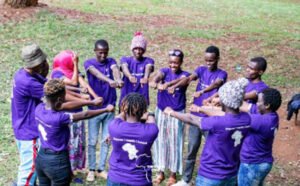
Synthia Ontita, Research and Project Management Associate of The Youth Cafe, discusses the importance of youth involvement in Africa’s sustainable development.
“For me, hope is the feeling that keeps you going, even though all odds may be against you. For me hope comes from action not just words.” Greta Thunberg, World Economic Forum 2021. Greta Thunberg, 18 year-old climate and environmental activist, addressed the World Economic Forum on January 25, 2021 with a call for action to address the climate and ecological crisis
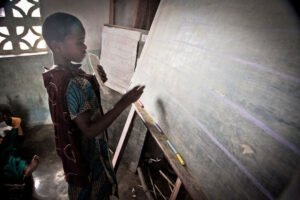
In low- and middle-income countries, persisting gender discrimination and harmful gender norms mean adolescent girls living in poverty are often the most vulnerable to the least visible impacts of climate change. This includes disruptions to their education, increasing their time poverty, and increasing their risk of early and forced child marriage.
Congratulations to the 13 winners of the 2020 Climatelinks Photo Contest!
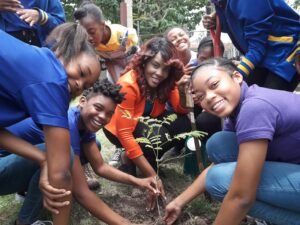
This year’s theme, “Healthy Forests for a Healthy Future,” focuses on nature-based solutions to climate change such as active reforestation, plantations, agroforestry, and natural regeneration. The winning photos tell the stories of individual and community change agents for sustainable development, forest protection, and a climate-secure future.
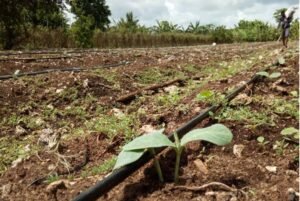
When you think about a farmer getting ready for their season, what is the first image that comes to mind? Is it something about getting the fields ready, images of a healthy crop emerging from the soil, a good rain, or something altogether different? For us, it is something that looks like this:
As a boy growing up on the outskirts of Vietnam’s Cat Tien National Park, Koren Gren spent his days surrounded by the natural world. Today, he still does.
My passion for entrepreneurship started when I was pursuing my Bachelor’s degree in Clothing Textiles at Egerton University. I started a shop to sell soft furnishing for fabrics such as bed covers, curtains, baby sets etc. This business however did not go as smooth as I had earlier imagined.
Ninety percent of youth live in developing countries, where climate change poses a threat to their future. USAID recognizes that collaborating with this growing population can help build a more resilient future. That is why, this January, Climatelinks is focusing on youth climate action.
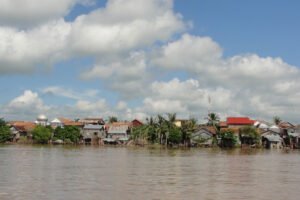
Natural river shifting and human changes to the landscape can drastically redirect floodwaters from year to year, making anticipating flood paths extremely tricky. Because rising sea surface temperatures are fueling more frequent and severe rainfall extremes, faster flood mapping is in high demand.