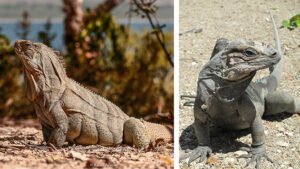
Those who live in and around the Dominican Republic’s Jaragua-Bahoruco-Enriquillo UNESCO Biosphere Reserve have a first-hand understanding of the costly realities of climate change. Harsh, dry conditions and extreme weather make climate risks part of daily life and a top consideration in efforts to protect endemic species.
In mid-2020, Climatelinks added sector pages to its website. The 14 pages, accessible by hovering your mouse over “What We Do” in the website’s top navigation menu, showcase sector-specific work on climate change that USAID is undertaking in a variety of contexts. Each sector page houses an introductory overview detailing related climate impacts and stressors, as well as potential solutions.
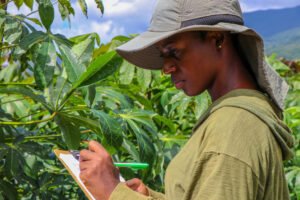
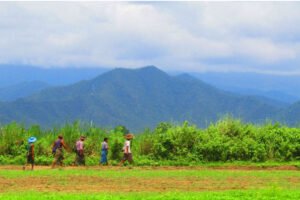
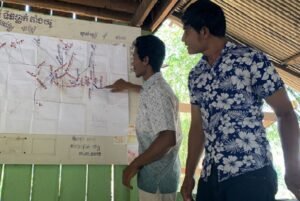
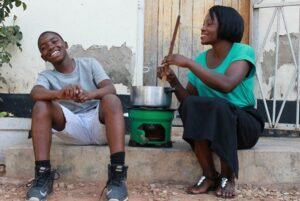
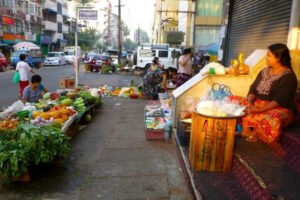
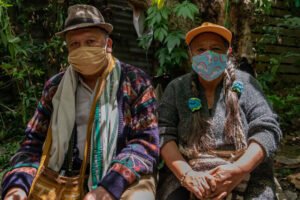
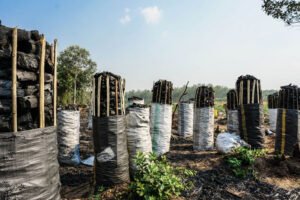
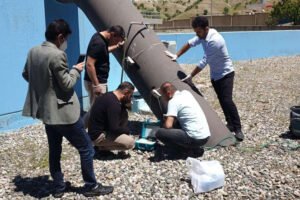
Photos are a great way to not only capture climate programming in action, but to tell one’s story. The Climatelinks photo gallery has more than 230 photos depicting climate and development, from gender and inclusion to natural resource management.
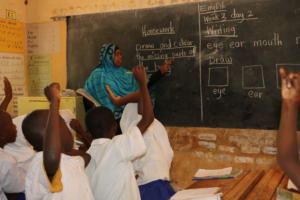
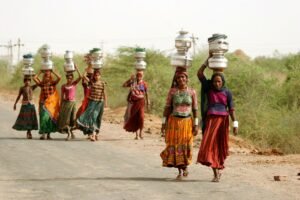
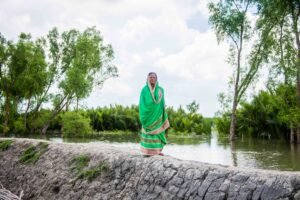
Below are the five most popular photos of 2020. Let us know if you have a favorite photo.
In 2020, the Climatelinks community focused on a broad range of monthly themes, including disaster risk management, private sector engagement, energy, and sustainable landscapes. Below you’ll find a selection of great stories that were not as heavily viewed, and that you may have missed when they were originally posted:
Climatelinks’ Resource Library houses a variety of climate-related resources from scaling up energy efficiency to community-based forestry enterprises. In 2020, the Climatelinks community contributed over 150 resources on a wide range of topics.
The Climatelinks Resource Library grew by 150 documents in 2020, covering a wide range of topics from climate finance to human health. Do you have a favorite Climatelinks resource from this past year? Make sure you didn’t miss these great resources from 2020.
USAID should work to increase ownership of the climate risk management (CRM) process by design teams to ensure CRM doesn't stall out after the assessment phase, external evaluators recommended in a recent evaluation.
Over the course of 2020, the Climatelinks community contributed over 120 blogs on topics varying from mangrove restoration in coastal Sierra Leone to flood early warning systems in East Java, Indonesia. Below are the five most visited blogs of 2020.
Energy efficiency is a critical ingredient in the fight against climate change. Reducing the amount of electricity needed to carry out even simple daily tasks can help curb greenhouse gas emissions and combat climate change.
In July 2019, USAID launched a new Environmental and Natural Resource Management (ENRM) Framework to coordinate, unify, and elevate environmental and natural resource management across the Agency. The Framework outlines a unifying vision to address emerging challenges and the most critical threats to the environment and development, and serves as a guiding document for cross-sectoral investments in environmental and natural resource management.
Landfills and wastewater treatment plants generate methane, a potent greenhouse gas (GHG), from decomposing organic waste and wastewater treatment processes, respectively. What if there were ways to reduce GHG emissions while simultaneously creating renewable energy? And what if there were additional benefits beyond reducing emissions and creating energy?
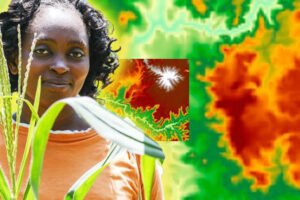
Women are the primary custodians of natural resources in the Hindu Kush Himalayan region and are at the forefront of the impacts of climate change. Yet, when it comes to decision-making and research on managing these resources, women’s voices are rarely heard.
The majority of the world’s population lives in urban areas, and they continue to grow by more than 75 million people per year. Cities, especially rapidly growing cities, are likely to be the driving economic force in many countries, even more so than they are now.
This is the second of three blogs examining the issues of the COVID-19 pandemic for sustainable landscape programs. The first blog discusses how deforestation and forest fragmentation can increase the likelihood of future pandemics.
Stacks of sustainable charcoal produced at Mampu cooperative site outside of Kinshasa visited as part of a scoping mission looking at alternative local species to integrate into agroforestry woodfuel systems to increase the volume of sustainable charcoal supply for urban areas in the Democratic Republic of the Congo, carried out by the U.S. Forest Service International Programs and supported by USAID’s Africa Bureau in July 2018.
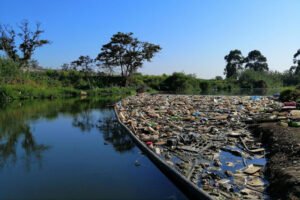
Originating in Turkey, the Tigris and Euphrates rivers traditionally have met the vast majority of Iraq’s water needs. The rivers are used to pump water into millions of homes and irrigate the historic Mesopotamia agricultural fields.
There is a wealth of options to consider when financing urban infrastructure. Some of these include but are not limited to: public-private partnership models; user fees or other domestically mobilized resources; loans from commercial or multilateral development banks; grants from facilities like the Green Climate Fund; or contributions from local businesses.
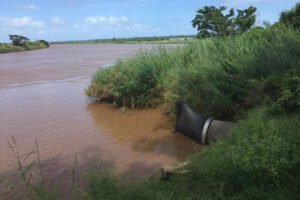
According to USAID’s Southern Africa’s Climate Change Risk Profile, “Changes in water quality and availability will be the dominant changes seen under a new climate.” The sensitivity of livelihoods and economies to these changes, together with a lack of access to drinking water (and contamination of existing supply), threatens water security and resilience in a region where water demands are rising in response to an increasing population.
In 1976, Salvador Dali painted an 99 ¼ inch by 75 ½ inch oil painting he called “Gala Contemplating the Mediterranean Sea which at Twenty Meters Becomes the Portrait of Abraham Lincoln - Homage to Rothko (Second Version)” (Figure 1). When viewed up close, we see the nuanced details of the artist’s work and are likely distracted by the dominant figure that is so clearly in focus.
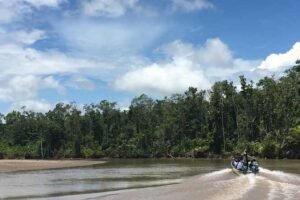
The end of USAID’s five-year LESTARI project (2015-2020) in Indonesia is an opportunity to recognize USAID’s collective achievements with the Government of Indonesia in reducing greenhouse gas emissions from land use in both biodiverse and carbon-rich landscapes.