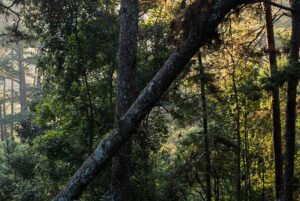
Forest Stewardship Council (FSC) is a global system that certifies responsible forest management. In some cases, FSC has severed ties with, or “disassociated” from, paper and timber giants worldwide when their direct or affiliate operations have harmed forests and people.
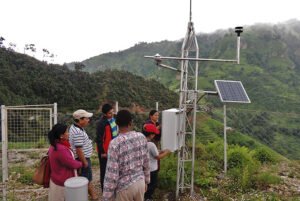
Improving access to and use of timely, accurate, and actionable weather and climate information is essential to building resilience to climate change and strengthening livelihoods across Africa. Collaborative partnerships between the public and private sectors can foster innovative, sustainable, and cost-effective approaches to weather and climate services systems.
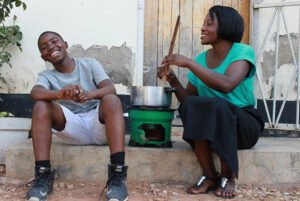
In many developing countries, the companies that build, supply, and sell clean energy solutions have difficulty obtaining bank loans or other financing to expand their businesses or reach new markets. This was the case in Rwanda until Power Africa, through USAID, at the demand from financial institutions and providers of solar PV solutions, took action to educate, connect, and support commercial lending programs for off-grid electricity.
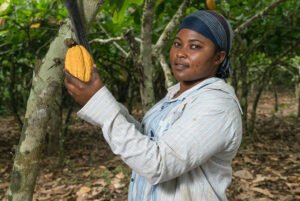
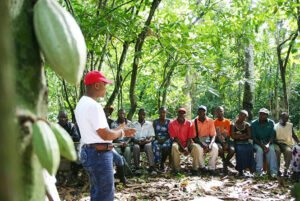
Yao Ahou, a cocoa farmer in Côte d’Ivoire, is well aware of the challenge she faces in farming for the core ingredient for the world’s chocolate. “For us cocoa farmers, our problem is climate change. When we expect the rains, it is the sun that comes up, and when the sun is expected, it is the rains that come.
A pivotal insight emerging from three years of co-creating climate-smart business models with companies—both investors and those seeking investment—is that there is not one private sector, but a multitude of actors with varied incentives, timelines, and decision processes. Each requires a targeted approach; any strategy that assumes one homogeneous private sector—or one investor profile—will struggle to gain traction.
Worldwide, local communities in the tropics and subtropics control 22 percent of the forest carbon in those regions. For several decades, development organizations have promoted sustainable forest use approaches to help communities manage these forests. One such approach is the establishment of community-based forestry enterprises (CBFEs) that sell forest products or services.
Empowering the private sector to drive economic growth can be a powerful force for strengthening communities and accelerating self-reliance. Private Sector Engagement (PSE) is a strategic approach to international development through which USAID consults, strategizes, aligns, and collaborates with the private sector for greater scale, sustainability, and effectiveness of development or humanitarian outcomes.
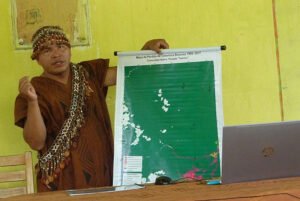
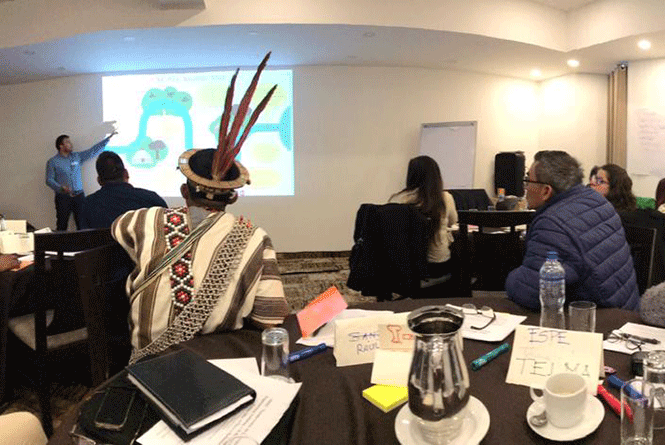
The Amazon region is home to 1.6 million Indigenous Peoples, all of whom depend on the region’s forest and water resources for their material and cultural survival. Studies have shown that deforestation rates are much lower in places where Amazonian Indigenous Peoples have strong land tenure rights, making Indigenous Peoples important allies in biodiversity conservation.
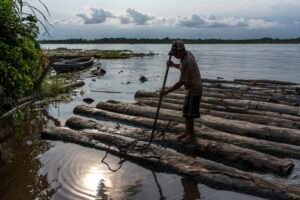
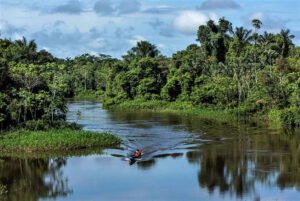
This common sighting in the rivers of the Peruvian Amazon portrays a "buoyer," a person whose job consists of untying timber that has floated to the banks of the river. The timber is on a downstream journey that takes over 24 hours. Nearly 40% of the Amazonian population in Peru relies economically on the timber value chain, including over 250,000 families, mostly of indigenous descent.
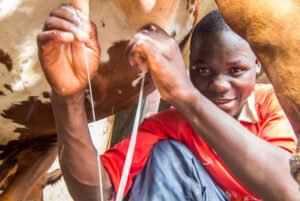
The global dairy sector is committed to doing its part to reduce our impact on the environment. And while globally dairy is responsible for 3 percent of man-made green house gas emissions (GHG), the sector is already making strides to improve the health of our planet and create a sustainable world for everyone. A new report, entitled “Climate Change and the Global Dairy Cattle Sector,” was released earlier this year that shows over a 10-year period (2005-2015), GHG emissions from the production of milk has decreased in intensity by 11 percent (GHG emissions per unit of product).
The world’s natural capital—such as water, land, forests, soil, wildlife, and fisheries—safeguards and underpins the health and well-being of billions of people. At the same time, natural resources are facing unprecedented threats in the form of pollution, habitat loss, and extinction. Together, these threats can impact long-term economic growth, livelihood opportunities, and the ecosystem services that support human well-being.
Nearly two-thirds of what remains of West Africa’s rainforests are in Liberia. But will that always be the case? Deforestation at the hands of humans once posed the biggest threat. Now climate change is exacerbating the challenge to protect forests and biodiversity. As chief of party of the USAID-funded Forest Incomes for Environmental Sustainability (FIFES) Activity, I’ve seen how our activity, implemented by ACDI/VOCA, is succeeding in this fight to protect forests and forest-dependent communities.
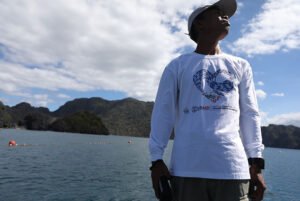
The Siete Pecados, or “Seven Sins,” are seven islets in the Philippines named after a legend about seven sisters who drowned after they disobeyed their mother. Siete Pecados Marine Park is a story of a coastal community’s persistence, in partnership with USAID and other partners, to establish a marine protected area with an integrated approach that includes biodiversity conservation, climate resilience, and economic growth.
As one of the world’s most biodiverse countries, Peru has an abundance of natural resources that have represented natural wealth throughout the nation’s history. However, this richness is not often fully understood and has been unsustainably managed as a result. Over the past decade, an increasing turn toward a green economy has helped shift the way that Peru’s natural resources are viewed.
Biodiversity conservation is essential to development––across multiple sectors, geographies, and contexts. Geospatial analysis can support integration of biodiversity conservation with a range of sectors at USAID, including climate change, and a new guide, developed by USAID’s Office of Forestry and Biodiversity and the Bureau for Latin America and the Caribbean, explains how.
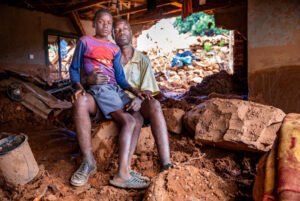
The current global pandemic from COVID-19 is a potent, pressing example of why the international community must focus more on preparedness and risk analysis for a multitude of disasters. Disasters, from floods to droughts to heightened risks of conflict, are increasing in frequency and intensity due to climate change, environmental degradation, and social tensions.
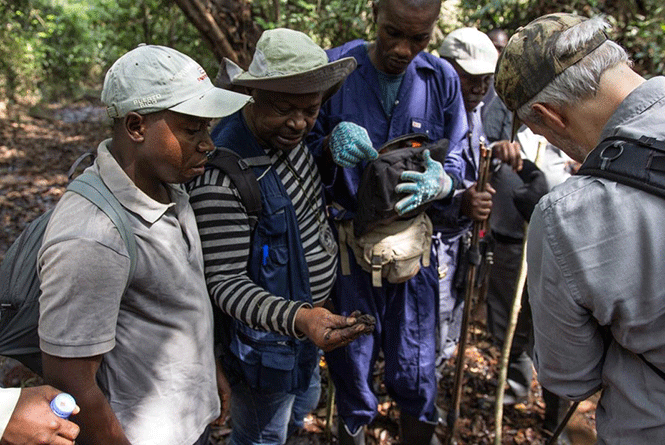
The Congo Basin of Central Africa hosts the second largest tropical forest in the world. The forests of the Congo Basin provide a range of environmental services to local forest-dependent communities, the surrounding region, and globally through climate regulation and carbon sequestration. Fostering the sustainable use of this vast, critical resource is imperative and requires a better understanding of existing forest resources, including changes in forest and land cover.
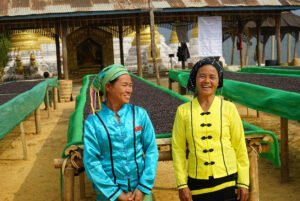
“Myanmar’s location and physical diversity means climate change takes many forms. In the dry zone, temperatures are increasing, and droughts are becoming more prevalent, while the coastal zone remains at constant risk of intensifying cyclones. Extreme flooding in the current wet season has seen over 190,000 people seek emergency shelter, with the damage to homes, schools, and farms compounding the impact of last year’s floods and those from the year before.”
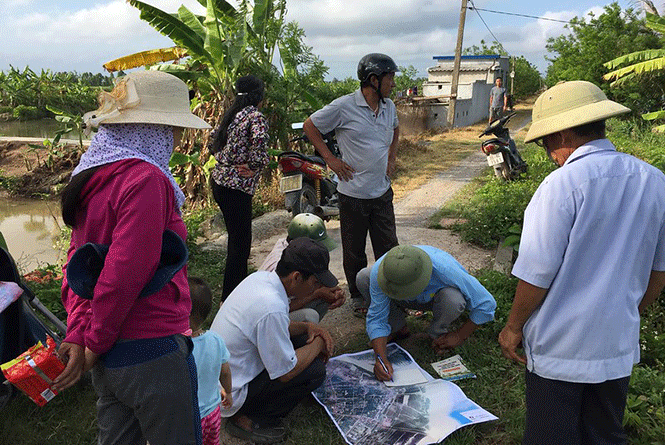
The USAID Vietnam Forests and Deltas program (VFD), implemented by Winrock International, is supporting the Government of Vietnam’s efforts to better manage natural resources through an innovative Payment for Forest Environmental Services (PFES) program, which pays forest owners for conservation. By preventing deforestation and forest degradation, PFES reduces emissions from land use and conserves forest ecosystems that remove carbon dioxide from the atmosphere.