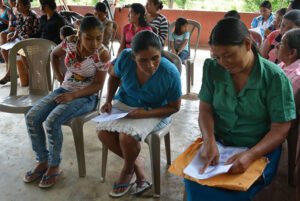
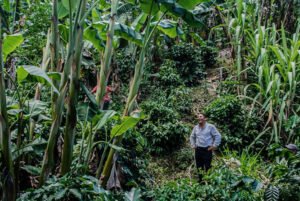
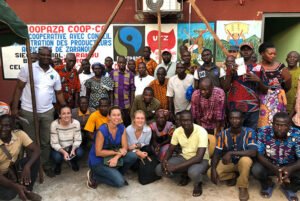
At the Climate-Smart Village in Olopa, Guatemala, we witnessed the different stages of implementing climate-smart agriculture practices. The CGIAR Research Program on Climate Change, Agriculture and Food Security (CCAFS) developed the Climate-Smart Villages (CSV) approach, which aims to generate evidence on climate-smart agriculture (CSA). In the CSVs, different actors develop, adopt and evaluate CSA options in a participatory manner.
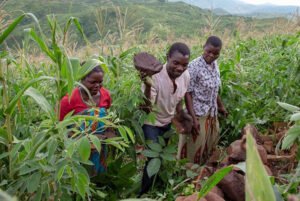
In Southern Malawi, the United in Building and Advancing Life Expectations (UBALE) project, completed in 2019, helped over 240,000 families in three districts produce more abundant harvests, increase income from agriculture, and learn important skills to help cope with changing climate patterns. The project linked agriculture with nutrition interventions to maximize the impact the program had on family nutrition.
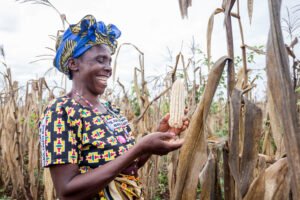
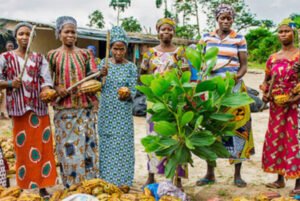
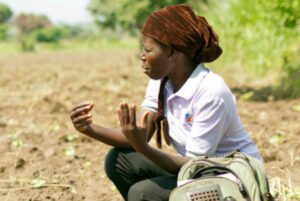
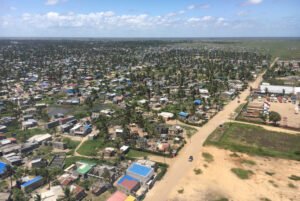
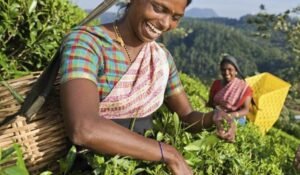
Farmers are faced with new challenges in Mozambique, including the cycle of frequent droughts and drenching rains. Through her involvement with the Resilient Agricultural Markets Activity project in the Beira Corridor of Mozambique, this family farmer is learning how to increase productivity, profitability, and resilience of her farm through the adoption of conservation agricultural practices, like low/no tillage, soil coverage, and crop diversification.
According to the Intergovernmental Panel on Climate Change’s Special Report on Climate Change and Land, changing precipitation patterns, increasing temperatures, and more frequent extreme weather events are already affecting food security. As extreme events occur more regularly, food systems are likely to be disrupted, creating challenges in food access and potentially causing price fluctuations.
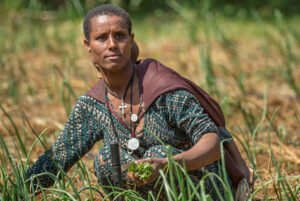
In Ethiopian cuisine, onion rules. Stews, sauces, and salads all rely on onions as a star ingredient, and market stalls are stacked high with fragrant bulbs. Across the country, onions contribute significantly to food security, adding taste and nutrients to diets otherwise mainly made up of cereals. Despite their popularity, onion crops yield much less in Ethiopia than in other African countries. Farmers here, like elsewhere, use irrigation to cultivate onions. In fact, farmers prefer to irrigate onion more than other crops, thanks to the high demand and high prices for onions. But yields remain low.
The Rainforest Alliance is implementing the USAID-supported Alliance for Sustainable Landscapes and Markets project in the states of Campeche, Chiapas, Oaxaca, and Quintana Roo, Mexico. This alliance involves groups of producers, nonprofit organizations, public institutions, enterprises, and consumers in taking actions towards a better future where people and nature thrive in harmony.
The impacts of climate change on crop yields, as projected by a slew of impact assessments carried out since the 1980s, have brought the issue of future food insecurity to the fore. A meta-analysis of ~27,000 data points from studies published over the last four decades reveals that at country level, average impacts of climate change on crop yields up to the 2050s are generally small (but negative) for rice and wheat, and modest for maize, provided farmers adopt practices and technologies such as improved varieties, planting at optimal times, and improved water and fertilizer management.
Many of the effects of changing climate patterns on food security are obvious. For example, more frequent and extreme droughts and floods are making farming more challenging, leading to abbreviated growing seasons, lost crops, and depleted family food stores. But climate variability and change are causing many other less obvious effects on food security, many of which are just beginning to be understood.
When the government of India set a goal of deploying 175 gigawatts of renewable power by 2022, they understood that changes to their power system's operations were needed to achieve that level of renewable power on the grid. India decided to work with USAID and the United States Department of Energy’s (DOE’s) National Renewable Energy Laboratory (NREL) to develop a comprehensive grid integration study identifying operational pathways that would enable India to efficiently meet its renewable energy target.
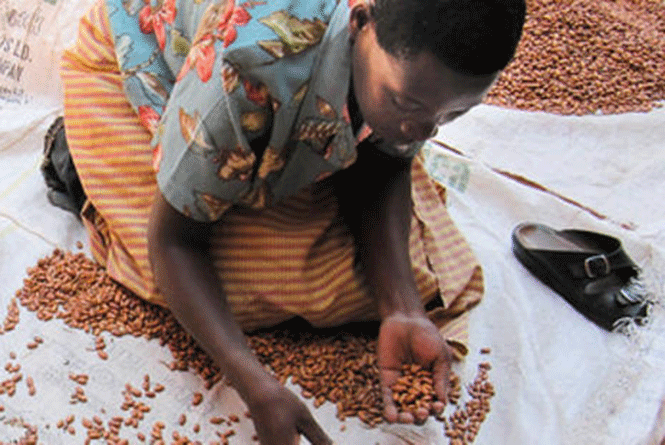
The cocoa industry has taken bold steps to preventing deforestation in the Cocoa & Forests Initiative (CFI), a public private collaboration between 33 cocoa and chocolate companies (85% of the industry), the governments of Cote d’Ivoire and Ghana, and led by the World Cocoa Foundation and the Sustainable Trade Initiative (IDH). This effort is based on the pillars of preventing deforestation, which include protection and renovation of forests, sustainable and climate smart cocoa production and social inclusion and protection.
The growing emphasis on sustainability of food systems (rather than of agriculture alone) highlights the importance of considering gender at all stages, from production to consumption, to address development goals of zero hunger, sustainable agriculture, and climate action (as well as gender equality as a goal in itself). IFPRI’s Gender, Climate Change and Nutrition Integration Initiative (GCAN) addresses the interlinkages between gender, climate change, and nutrition for sustainable food systems.
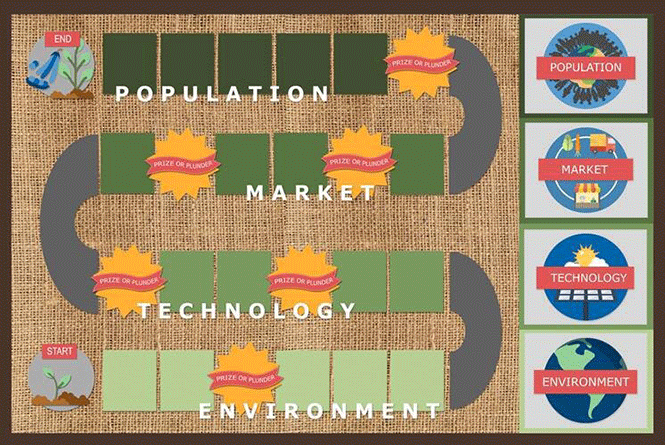
Games provide players a low-risk opportunity to explore future impacts of climate change that can lead to innovative solutions. Simulating climate change and including a complicated set of factors and variables that need to be addressed over time can draw important insights and spur new ways of thinking without spending money.
USAID’s Urban Team is pleased to announce the launch of the new and improved UrbanLinks website. As USAID’s central hub for information about urban topics and programs, UrbanLinks provides valuable tools, resources, and insights from across the Agency and from our partners.
Beverage company AB InBev and its Uganda subsidiary Nile Breweries has explored ways to increase the resilience of their small-scale grain farmers to the effects of climate change. Their process has been documented by the Sustainable Food Lab in the case study Improving Grain Sector Climate-Smart Awareness and Decision-Making.
With the climate changing in fast and uncertain ways, getting the right information for infrastructure design is becoming more challenging. USAID spends over a billion dollars a year building infrastructure across our humanitarian assistance and development portfolios, so it’s important that the Agency get it right. Infrastructure matters to international development. How the world grows, advances, and develops is (literally) built on a foundation of infrastructure.
Around the world, rooted in discriminatory gender norms and shrouded in impunity, gender-based violence (GBV) occurs in all societies as a means of control, subjugation and exploitation that further feeds gender inequality.
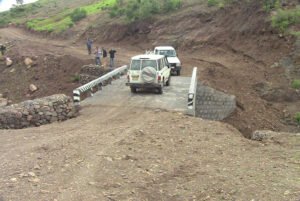
Strong, resilient infrastructure can help countries better prepare for climate variability and change, such as more severe and frequent weather events or sea level rise. Basic infrastructure is failing, insufficient, or non-existent in many developing countries, and changes in climate can damage infrastructure across sectors from energy, health, education, and others.
As USAID and the international community know, if infrastructure fails during a crisis, the implications on human lives are enormous. To ensure future floods and other extreme weather events don’t cause the level of damage and misery seen in the wake of Idai and Kenneth, there are two myths that we urgently need to dispel.
Advancing the field of climate change adaptation requires insight from diverse perspectives, active learning, and creative partnerships. Since 2014, USAID’s Adaptation Community Meetings (ACMs) have served as a platform to share knowledge for climate adaptation and resilience and promote integrated programming.
Helping Cocoa Farmers to Achieve A Living Income and Adapt to Climate Change follows the popular ice cream brand Ben & Jerry’s and their collaboration with Fairtrade International known as the Producer Development Initiative (PDI). P