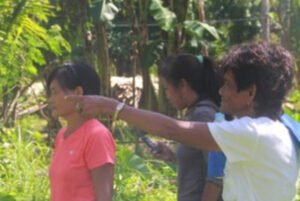
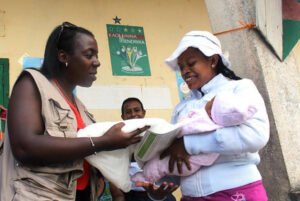
Access to and control over production inputs can transform women farmers into active change agents in their communities. Such a transformation is a crucial step towards women's empowerment that research and development organizations must consider.
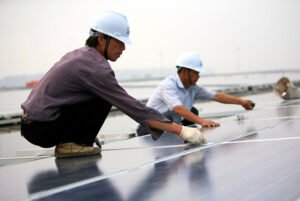
Urban microgrids are high on the global development agenda. They are attractive for many reasons, most recently for their relevance to climate change adaptation and mitigation. They have proven resilient to extreme weather events, and, because they create commercial opportunities for low-carbon generation technology, they can reduce greenhouse gases from the urban sector in the long term.
USAID's Office of Gender Equality & Women's Empowerment is thrilled to announce Resilient, Inclusive, & Sustainable Environments (RISE): A Challenge to Address Gender-Based Violence in the Environment.
Energy efficiency programs provide multiple benefits that align with the United Nations’ Sustainable Development Goals, including economic opportunity, improved health, gender equity, and better environmental and climate-related outcomes. However, energy efficiency remains an underused resource in developing countries, where citizens have limited access to power, utilities often struggle to keep up with demand, and financial capital for improving quality of service is scarce.
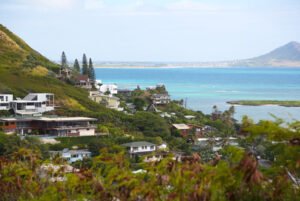
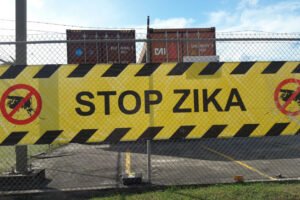
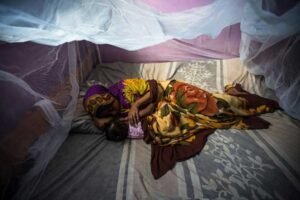
Illness due to dengue virus is estimated to cost the Caribbean over US$ 300 million per year. Layered on top of these costs are increasing concerns around heat stress resulting from the dramatic rise in the number of heatwaves occurring since 1995 in the Eastern Caribbean
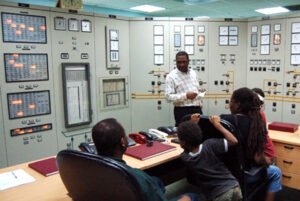
Climate change impacts, such as sea level rise, flooding, and drought, threaten renewable energy generation, particularly hydropower due to the necessary proximity of power stations to water sources. As a result, energy security and the ability of countries to meet their greenhouse gas reduction targets may be compromised.
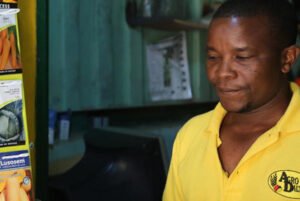
Feed the Future Partnering for Innovation builds agribusiness’ capacity in myriad ways – from organizational strengthening to business plan design to investor relations – all with the aim of improving their ability to respond to the specific needs of smallholder farmers. Our approach pairs investments in new technologies with targeted services that help agribusinesses accelerate their growth so they can quickly and successfully enter new markets, increase profits, and expand their customer bases.
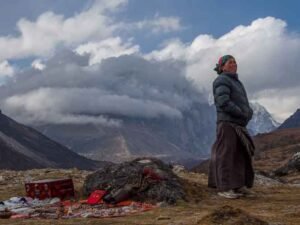
Their summits often soaring to more than 20,000 feet, the great intersecting mountain ranges of Central and South Asia collectively stretch thousands of miles across the continent. Within this vast, often impenetrable, and sparsely inhabited wilderness, snowfields and glaciers store water that has fallen as precipitation and accumulated over the course of years, decades, or in some cases, even centuries.
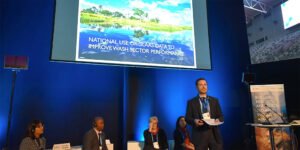
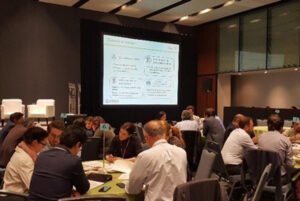
USAID’s Resilient Waters Program presented alongside the Global Analysis and Assessment for Sanitation and Drinking Water (GLAAS) team, at the 2019 SIWI World Water Week, held in Stockholm.
Measurement, reporting and verification (MRV) are essential for transparency between countries as they track their greenhouse gas emissions. By emphasizing common standards, MRV ensures that countries are on the same page when it comes to the methodologies they use.
Changes in the frequency, location, and severity of climate impacts are placing more people at risk from health-related hazards such as reduced air quality, extreme heat, exposure to extreme weather events, and shifts in vector borne diseases. The World Health Organization predicts that between 2030-2050, climate change will cause an additional 250,000 deaths annually worldwide due to malnutrition, malaria, diarrhea, and heat stress.
Many countries have committed to establishing national forest monitoring and measurement, reporting, and verification (MRV) systems, but lack the technical capacity to achieve their goals. As the science of forest monitoring and MRV advances, these countries face challenges identifying and implementing cost-effective tools and methods that suit their long-term needs.
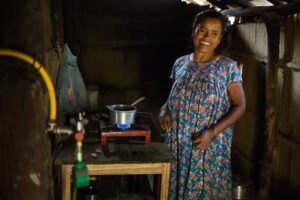
Using firewood more efficiently and promoting alternative energy in Nepal improves women’s health, changes their lives, and reduces climate vulnerability. Building on a foundation of work at the intersection between environment and health in Nepal, the second phase of the USAID’s Hariyo Ban (Green Forests) Program is scaling up approaches to reduce climate change vulnerability and increase community resilience.
As part of the United Nations Framework Convention on Climate Change, member countries must submit national greenhouse gas (GHG) emissions inventories, estimating how much carbon dioxide, methane, and other greenhouse gases they are producing each year.
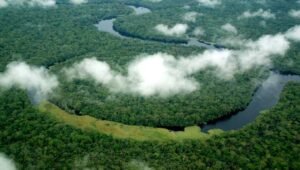
Rivers are the world’s main source of clean drinking water, and their economic and environmental value are fundamental to the health of people and ecosystems. However, river basins face interrelated challenges — population growth, industrialization, urbanization, land use changes (including deforestation and land degradation), and changes in water quantity and quality.
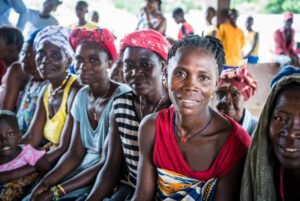
The Dominican Republic is one of the world’s ten most climate-vulnerable countries and experiences significant gender inequality in the Latin America and Caribbean region. The combination of these issues can threaten the health, safety, and livelihood of women and girls, who are often directly on the frontlines of impacts.
Many countries around the world have set ambitious targets for reducing greenhouse gas (GHG) emissions. As a result, those countries are now pursuing a breadth of mitigation actions across sectors and at all scales, from local projects to national policies.
Countries in Asia are steadily addressing the need to reduce emissions through the deployment of market-based mechanisms (MBMs), such as carbon taxes, cap and trade programs, baseline and credit programs, and the development of renewable electricity and energy efficiency standards.
Climate change and variability have impacts on human health, especially in developing countries. Extreme weather events, increased temperatures, as well as changes in precipitation and sea level rise can all combine in a variety of ways to undermine development gains and impede progress.