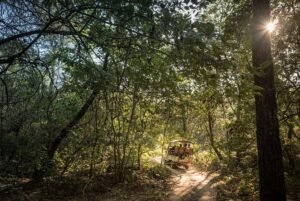
The Ferlo region of north-central Senegal is a vast expanse of dry savannah covering over a third of the country’s total area. With only a few small, scattered settlements, this region is almost exclusively reserved for pastoralism, both by tradition and government policy.
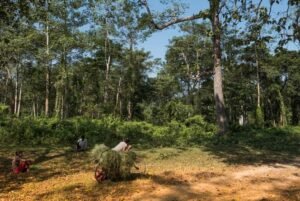
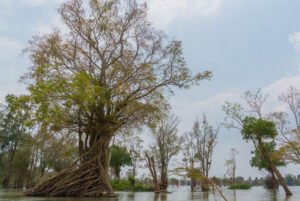
According to the United Nations, close to 1.7 billion people – almost 25% of the world’s population - rely on forests for shelter, livelihoods, water, food, and fuel security. Forests renew our air supply, as they take in large amounts of carbon dioxide and release oxygen.
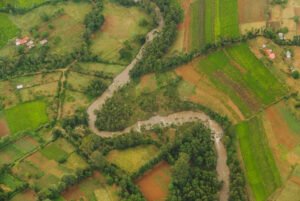
Water security is integral to the health and sustainability of our communities and ecosystems. Achieving water security, however, is challenging for several reasons including poor governance, resource competition and poorly-conceived economic development.
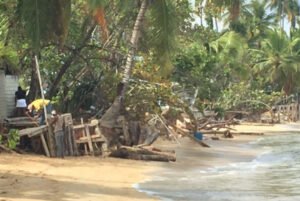
In 2017, hurricanes Irma and Maria were forecast to hit the Dominican Republic. ClimaPlan, a USAID project working with the Dominican municipality of Las Terrenas, recognized that these hurricanes would provide an opportunity to identify the strengths and weaknesses of the city’s climate resilience and adaptation capacity.
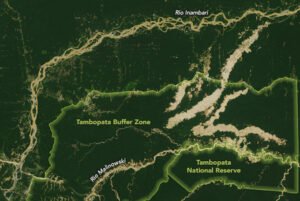
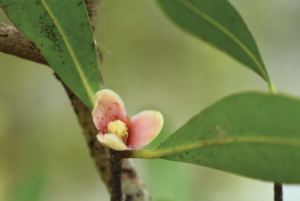
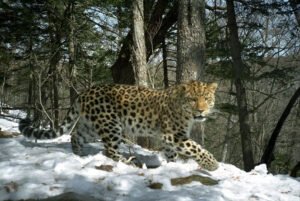
Considered a hotspot for biodiversity, the Madre de Dios region of southeastern Peru is an exceptionally fertile landscape. Standing at the edge of the Amazon basin, Madre de Dios has a rich concentration of endemic species—plants and animals that are found nowhere else in the world. But their habitats are being threatened by human activity.
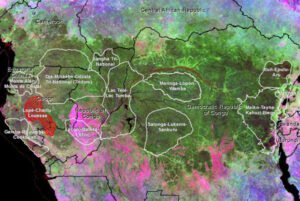
This month, Climatelinks is featuring geospatial tools and analysis. When it comes to climate change, geospatial tools and analysis provide innovative methods of visualizing drivers, threats and impacts. Emerging trends can also be identified and studied through geospatial analysis, which in turn allows for more strategic positioning of resources.
Transparencia y claridad en la medición, reporte y verificación (MRV) de las emisiones de gases de efecto invernadero (GEI) es esencial para vigilar y controlar el progreso global en la lucha contra el cambio climático.
Extreme heat is often referred to as a “silent killer.” Its impacts are not starkly visible like the destruction caused by a flood or hurricane, but it can be equally catastrophic. For example, a 2010 heat wave in Russia killed an estimated 55,000 people.
Finding ways to adapt to the effects of climate change is no longer optional for most communities - it is necessary. The question is, what are the range of strategies for adaptation? Ecosystem-based adaptation (EbA) is a nature-based and people-centered approach that emphasizes ecosystem integrity as crucial for human resilience to climate change.
“The water is pushing very hard on our islands and communities,” recounted the Bonthe Deputy Mayor, during a recent meeting with USAID staff in the southwestern district of Sierra Leone. His description captures the profound impacts that climate change is having on coastal communities.
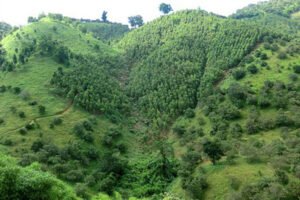
Forests are our allies in the global fight against climate change. In addition to removing carbon dioxide from the atmosphere and producing oxygen, forests also provide sustainable sources of income for forest communities and contribute to water security, which is the foundation for food security.
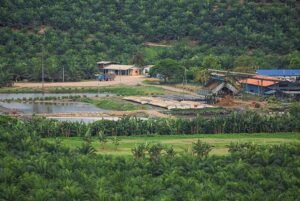
Every day, Indonesian palm oil mills emit nearly 2,000 metric tons of methane, a powerful greenhouse gas, from the waste treatment of palm oil mill effluent (POME), which cannot be discharged in its raw form. Though POME is waste byproduct of palm kernel milling, it can become an energy source when its biogas byproduct is harnessed for electricity production.
Integrating biodiversity and sustainable landscapes objectives in development programming can increase the sustainability of interventions, amplify results and reduce costs. ‘Integrating Biodiversity and Sustainable Landscapes in USAID Programming’ highlights these and other key considerations for USAID staff and development practitioners interested in connections between biodiversity and sustainable landscapes priorities.
This year’s Earth Day theme, Protect Our Species, highlights the roles of all living things and the importance of protecting endangered and threatened species, such as coral reefs, elephants, bees and other insects.
The integration of biodiversity and climate considerations in development programming can lead to long-term benefits in both sectors. For example, diverse ecosystems recover more quickly from destructive climate events, and healthy coastal environments protect vulnerable communities from extreme weather.
The implementation of climate resilient low-emission development (LED) strategies is essential for ensuring the integrity and performance of LED programs and projects in the face of evolving climate impacts.
A new land cover tool originally developed for southeast Asia is now being expanded globally. “Land cover mapping in the Lower Mekong has been challenging in the past, based primarily on outdated maps using different criteria,” said Dr. David Saah, Professor at the University of San Francisco and Managing Principal of the Spatial Informatics Group (SIG).
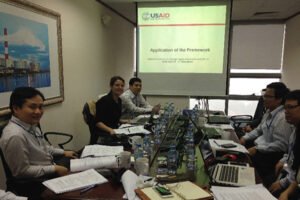
Since mid-2014, the USAID-funded Climate Economic Analysis for Development, Investment and Resilience (CEADIR) Activity has provided technical assistance for climate adaptation, clean energy and sustainable landscapes.
Do you work on a project or activity that is increasing climate resilience or reducing carbon emissions while conserving biodiversity? Have you collaborated with colleagues across USAID to design a project or activity that has biodiversity outcomes and tackles development challenges across multiple programming areas?
Transparent greenhouse gas emissions accounting is essential for monitoring global progress in the fight against climate change. While many countries are implementing ambitious mitigation actions, measuring and reporting of the greenhouse gas impacts of those actions within national inventories remains a persistent challenge.