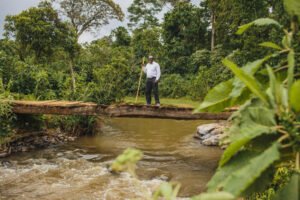
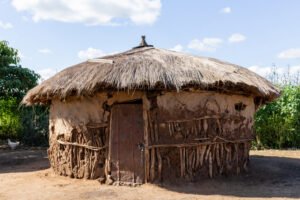
Gordon Mumbo grew up in the small village of Kamuga, in Kenya’s Kisumu County. Year after year, he watched as frequent floods from one of Kenya’s major rivers, the Nyando, disturbed the peaceful flow of village life.
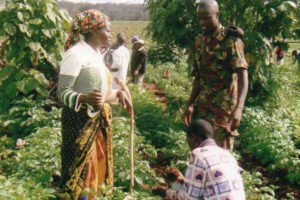
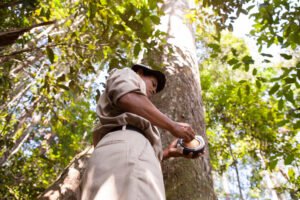
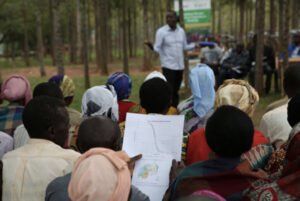
“My interest in tree planting started when I was very young, when I used to go with my mum to plant trees in the forest, as part of the shamba system of plantation establishment [a Kenyan form of taungya],” recounts Zipporah Matumbi.
Happy World Water Day! This year’s “Water for All” theme highlights the importance of leaving no one behind. It brings to light the fact that billions of people still live without access to safe water.
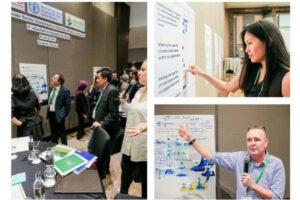
At the February 7 Adaptation Community Meeting, Ashley Moran from the University of Texas at Austin presented the findings from a global USAID study on the intersection of global fragility and climate risks.
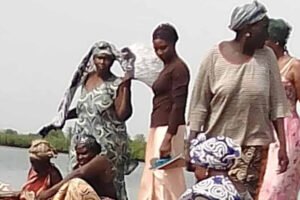
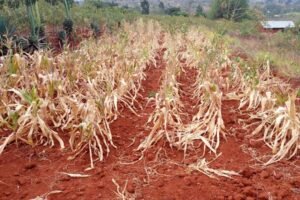
Since the 1970s, the Sahel region of northern Africa has been experiencing ongoing drought. The ecological, economic and social impacts are far-reaching, and coastal and estuarine ecosystems have
not been spared.
Ecosystems are fundamental to life on earth and provide goods and services that are essential to human well-being. This includes their role in helping human populations mitigate and adapt to climate change.
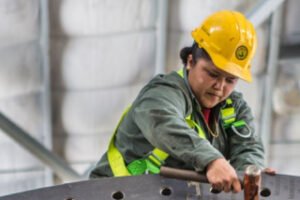
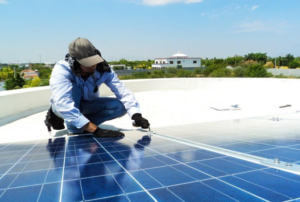
Renewable energy technologies — including hydro, solar, wind and geothermal — account for the energy market’s fastest growing sector. Global renewable energy employs 9.8 million people, an 11 percent increase from 2015.
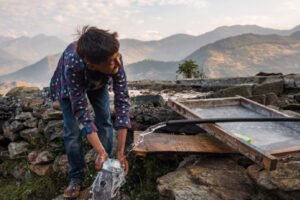
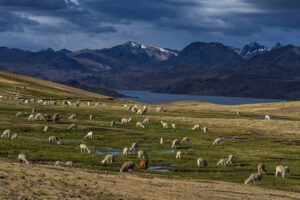
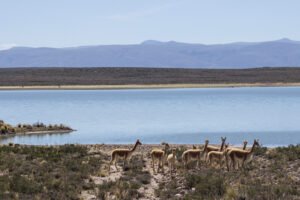
In Peru, a new cross-sector initiative supported by USAID and the Government of Canada is moving beyond concrete-and-steel projects to an expansive new vision of 21st-century water infrastructure that includes natural ecosystems, ancestral approaches, and people themselves.
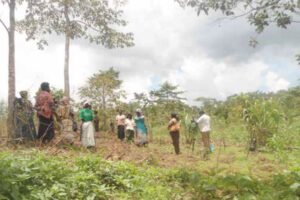
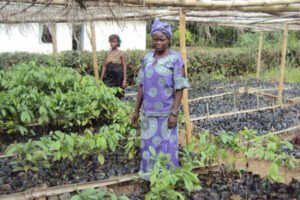
Along Cameroon’s equatorial coast, women are planting trees on degraded land, both in the humid terrestrial ecosystems, and the estuarine areas where mangroves grow. In some cases, they’re also gaining greater tenure security in the process.
Many countries in Southeast Asia have set ambitious targets for transitioning to a low-carbon, climate-resilient future, including improved management of agriculture, forestry, and other land uses.
This is the second blog in a two-part series detailing the Climate Finance Readiness Program (CF Ready), a program implemented by GIZ that receives joint support from USAID and the Ministry for Environment of the Czech Republic on behalf of the German Federal Ministry for Economic Cooperation and Development (BMZ).
This is the first blog in a two-part series detailing the Climate Finance Readiness Program (CF Ready), a program implemented by GIZ that receives joint support from USAID and the Ministry for Environment of the Czech Republic on behalf of the German Federal Ministry for Economic Cooperation and Development (BMZ).
Job Title: Senior Sustainable Landscapes Advisor, Foreign Service Limited position (FSL-02), Bureau for Economic Growth, Education, and Environment (E3).
What needs to come together in order to get a timely rainfall forecast to Senegalese farmers for the growing season? How can meteorologists in Rwanda ensure that their data and analyses benefit local populations?
Many governments recognize agroforestry’s contributions to farmers’ food security and livelihoods, and to climate change adaptation and mitigation, but face challenges in attracting climate finance to expand agroforestry.
Face-to-face participatory processes, merging weather station observations with satellite data, and bridging the supply and demand side of climate information services (CIS) are some of the promising options for improving CIS.
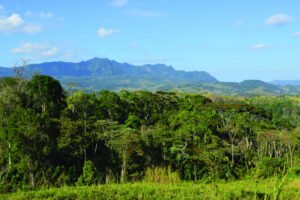
Northern Guatemala, together with neighboring Mexico and Belize, is home to the largest tropical forest north of the Amazon. Like many other tropical forests, the Selva Maya faces pressures from unsustainable logging and land clearing for agriculture.
Many domestic commercial banks in Central America have been reluctant to provide loans for clean energy companies and users due to high perceived risks and a limited understanding of relevant technologies, business models, and investment viability.