“Do your husbands object to your attending class?”
“No, no, no,” say the women.
“With a show of hands, how many of you are now earning money?”
Nearly everyone in class raises her hand.
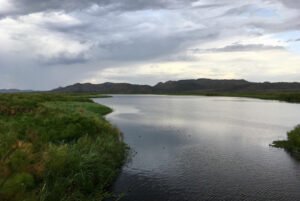
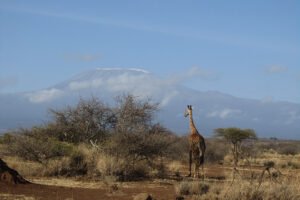
The Mara River winds for nearly 14 thousand kilometers from the Mau forest in Kenya to Lake Victoria in Tanzania. It supports huge wildlife populations in two key conservation areas (the Masai Mara National Reserve and Serengeti National Park) described as “the eighth wonder of the world.”
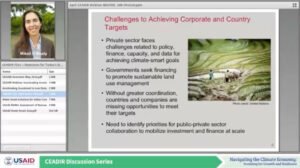
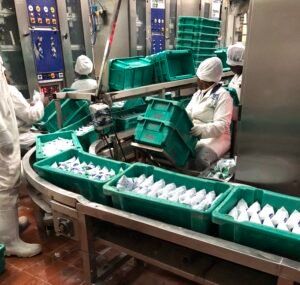
Food loss and waste account for approximately 8 percent of global greenhouse gas (GHG) emissions. As a result, this area presents opportunity for large reductions in emissions.
NCA4 illustrates that U.S. investments in developing countries can build capacity and resilience, leading to climate risk reduction and improved livelihoods.
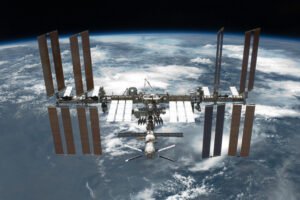
SERVIR seeks to deliver near-real-time environmental data from Earth-orbiting satellites to data-scarce communities and scientists, and translate that data into tools, products, and services that can inform local decision-making.
As part of a multi-year effort, USAID is collaborating with partners to support the design and implementation of practical, scientifically sound MRV systems.
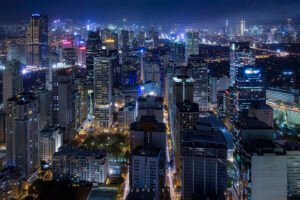
The U.S. Department of Energy’s National Renewable Energy Laboratory (NREL) recently released a report on how the addition of renewable energy could affect power system operations in the Philippines.
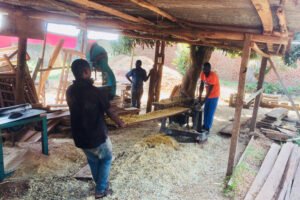
To help encourage private investment in this monumental task, NREL has supported the Power Africa Beyond the Grid Program by helping build an enabling environment for bankable, microgrid investments.
The Agrilinks 2018 Photo Challenge, open to all, is a great opportunity to share your work or that of your organization with the Agrilinks community of 15,000 food security and ag practitioners.
Social and behavior change (SBC), an approach long championed in global health and biodiversity conservation programming, may be a critical part of enhancing climate resilience.
In September 2018, the Sustainable CIS project organized a regional outreach workshop in Dakar, Senegal that brought together NMHSs, the private sector, academia, international organizations, and the donor community.