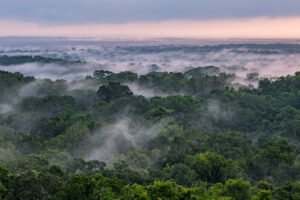
Can USAID work with the private sector to reduce the rate of deforestation in the Democratic Republic of the Congo (DRC)? Can this be done at a large scale to increase rural incomes equitably?
The September Adaptation Community Meeting brought together experts from the USAID Office of Energy and Infrastructure, the Millennium Challenge Corporation (MCC), the USAID Adaptation Thought Leadership and Assessments (ATLAS) project, and the USAID Water, Sanitation, and Hygiene Finance (WASH-FIN) project.
CREL, which worked its magic in four ecosystems — forest protected areas, wetlands and ecologically critical areas of Bangladesh — is closing after six successful years.
In the West Gonja and Sene districts of northern and central Ghana, respectively, deforestation caused by charcoal production is affecting sustainable livelihoods.
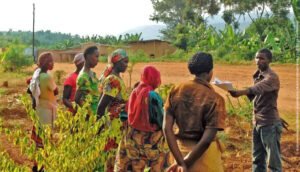
To assist the Government of Malawi and its citizens, USAID/Malawi designed the Protecting Ecosystems and Restoring Forests in Malawi (PERFORM) project.
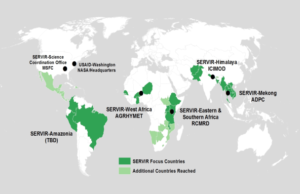
During the July Adaptation Community Meeting, SERVIR presented its approach to delivering “space to village”: equipping decision-makers with geospatial tools, and the capacity to use them, in response to locally expressed needs.
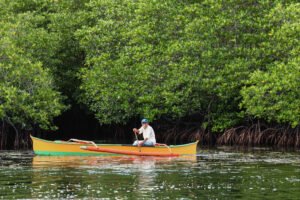
A network of programs promoting healthy mangrove forests has amassed valuable data on the state of mangroves in East Africa, built scientific capacity to track forest health, and now seeks to document and share sustainable management practices with local communities and governments.
To better understand how to design and implement sustainable climate information services models within African NMHSs, USAID funded the Assessing Sustainability and Effectiveness of Climate Information Services in Africa (Sustainable CIS) project.
USAID’s Forest Conservation Agricultural Alliance (FCAA) is helping cattle and soy producers meet increased demand for their beef and crops while minimizing deforestation to Paraguay's vulnerable Chaco and Pantanal regions.
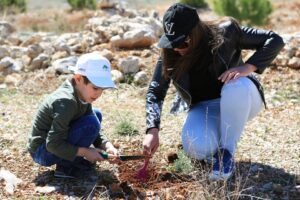
Lebanon has lost more than 20 percent of its forest cover since 1960. a USAID and U.S. Forest Service reforestation initiative is helping Lebanese communities regrow part of their natural heritage.
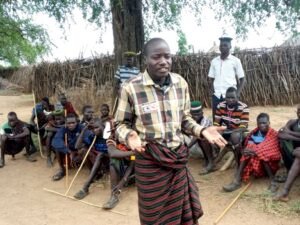
A program in Uganda's Karamoja region is helping communities resolve conflict over grazing lands even as more intense drought increases pressure on these lands.
The new global Multi-Sectoral Nutrition Project was one of the first activities to undergo USAID’s CRM process. The resulting extensive climate risk assessment highlighted the need to include strategies, interventions and assessments to build climate resilience both into program implementation and among beneficiaries in activity design.
Climate risk management is woven throughout the design of a new USAID/Philippines fisheries protection project, which will improve fisheries productivity and increase the resiliency of fishing communities.
At the June Adaptation Community Meeting, four climate change risk specialists from leading development organizations came together to discuss how they are thinking about climate risk and what processes they are putting in place to improve resilience.
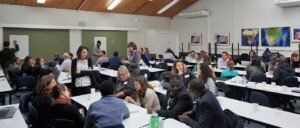
The USAID-funded Learning Agenda on Climate Services in sub-Saharan Africa—together with partners from the Climate System Analysis Group (CSAG) at the University of Cape Town—convened 65 participants in Cape Town, South Africa ahead of the fifth international climate change adaptation conference.