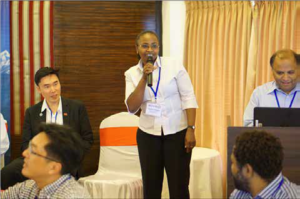
USAID took stock of climate risk management (CRM) in programming across all sectors to better understand the Agency’s experience with CRM to better support the practice.
“We know that Haiti is an extremely vulnerable country for the impacts of climate change,” says Jesse Leggoe, Acting Deputy Director in the Democracy, Human Rights and Governance Office, “Having Hurricane Matthew hit during our design process just re-emphasized that for everyone.”
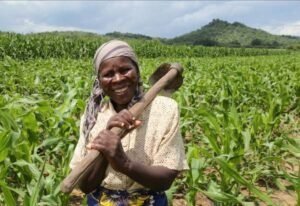
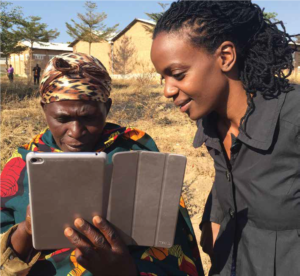
Climate information services (CIS) can empower smallholder farmers to take actions that reduce losses, improve food security and increase income by providing critical weather and climate information related to agriculture.
The American Geophysical Union Fall meeting, December 10-14, in Washington DC has invited abstracts for a session that will examine how global change research can support national security decision-making.
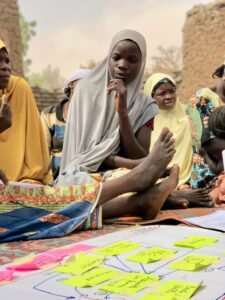
Under the USAID-funded Climate Information Services Research Initiative (CISRI), a Mercy Corps-led consortium is piloting a participatory systems mapping methodology to investigate how climate information reaches smallholder farmers.
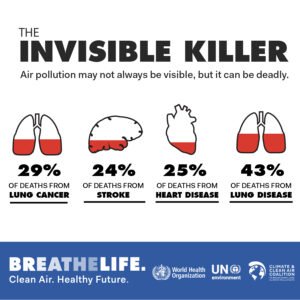
We asked Climatelinks community members to share their resources at the intersection of energy efficiency, emissions reductions, air pollution and related health issues in urban areas.
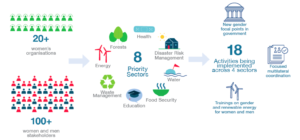
The USAID-funded program Advancing Gender in the Environment (AGENT), is identifying countries most affected by climate vulnerability, fragility and gender inequality.
Increasing energy efficiency and reducing energy demand are cornerstones of strategies to increase economic competitiveness while reducing greenhouse gas emissions.
Developed jointly with the Vietnam Ministry of Construction and officially approved in May 2017, GGAP aims to strengthen the foundation for low-emissions energy systems in Vietnam’s construction sector.
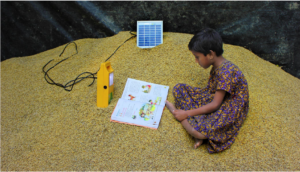
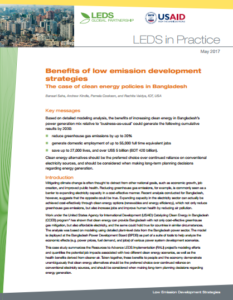
Reducing greenhouse gas emissions is commonly seen as a barrier to expanding electricity access in a cost-effective manner, but recent analyses conducted for Bangladesh suggest otherwise.
The Climate Information Prize (CIP) in Kenya is an effort to help bridge the gap between the large amount of climate information available from meteorological services and people who may use it to cope with climate shocks and stressors.
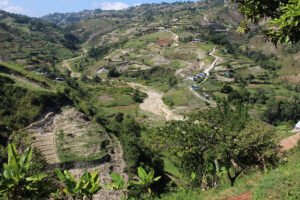
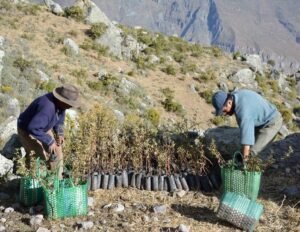
Increasingly, ecosystem-based adaptation (EbA) approaches are gaining traction as a complement or substitute for hard infrastructure to help buffer communities against climate change while also delivering development co-benefits.
Since its launch in 2005, SERVIR has cultivated a global network of research collaborations linking U.S.-based institutions and technology companies with four regional SERVIR hubs.
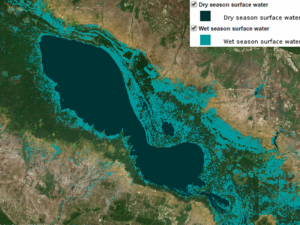
How exactly does SERVIR connect space to village? These examples highlight some of the cutting-edge tools that support SERVIR’s work on land cover, agriculture and flood forecasting.
From October 2016 to March 2018, experts from the USAID-funded Climate Economic Analysis for Development, Investment and Resilience (CEADIR) activity assessed the clean energy markets in eight West African countries and trained commercial banks interested in starting or scaling up clean energy lending on technologies and business models.
We asked Climatelinks community members to share their work related to the integral role weather and climate information and services play in building the resilience of people and communities to climate change impacts.