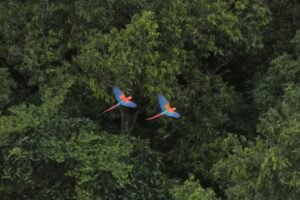
Conservation crimes threaten the Amazon rainforest and the health, safety, and economic well-being of surrounding communities. To combat crimes such as wildlife trafficking and illegal logging and mining, USAID partners with regional, national, and local organizations through two activities: Together for Conservation and ECOS. Learn more in this video in English and Spanish.
The demand for resilience evidence has grown exponentially as conflict, COVID-19 and the accelerating impacts of climate change have reversed development gains on a massive scale and pushed hundreds of millions of people into crisis levels of poverty and hunger.
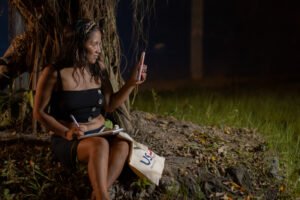
The School of Indigenous Governance and Amazon Development (EGIDA) teaches future leaders of the Amazon, like Erika Saldaña of the Kukama Kukamiria People, how to advocate for their communities, improve their livelihoods, and protect their lands for future generations. Follow Erika’s Journey as she travels 24 hours to reach the in-person EGIDA classes in Pucallpa, Peru, from her home.
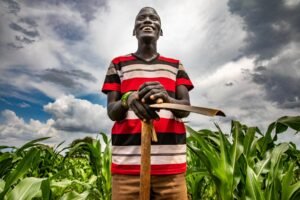
This webinar considered ways in which approaches to food security can be "climate proofed" and can contribute to USAID’s new Climate Strategy, highlighting important co-benefits that can advance other parts of the Climate Strategy in order to build resilient, prosperous, and equitable world with net-zero greenhouse gas emissions while addressing growing food insecurity around the world.
The Amazon Regional Environment Program (AREP) implements regional activities in Brazil, Colombia, Ecuador, Guyana, Peru, and Suriname. By complementing other United States Agency for International Development (USAID) projects in the Amazon, AREP works toward a healthy and resilient forested region that is valued by society, promotes human well-being, and safeguards our global climate.
El Programa Regional Ambiental para la Amazonía (AREP) implementa actividades regionales en Brasil, Colombia, Ecuador, Guyana, Perú y Surinam. Complementando otros proyectos de la Agencia de los Estados Unidos para el Desarrollo Internacional (USAID) en la Amazonía, AREP trabaja a favor de una región saludable y resiliente, que es valorada por la sociedad, promueve el bienestar humano y salvaguarda nuestro clima global.
O Programa Regional Ambiental para a Amazônia (AREP) implementa atividades regionais no Brasil, Colômbia, Equador, Guiana, Peru, e Suriname. Complementando outros projetos da Agência dos Estados Unidos para o Desenvolvimento Internacional (USAID) na Amazônia, o AREP trabalha por uma região saudável e resiliente, valorizada pela sociedade, que promova o bem-estar humano e resguarde o nosso clima global.
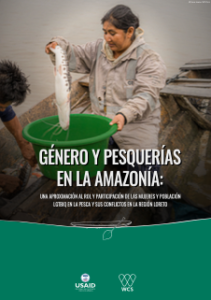
Gender and Fisheries in the Amazon is a study conducted by WCS Peru with the support of USAID/Peru, which analyzes the role of these sectors of the population in subsistence, commercial fishing for human consumption, commercial ornamental and sport fishing, particularly in gender relations along the value chains of fishing activities in the Amazon.
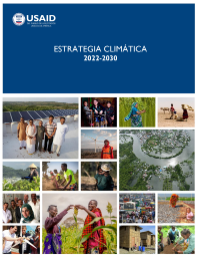
El cambio climático es una crisis mundial. A medida que aumentan las temperaturas y los niveles del mar, las personas de todo el mundo observan cada vez más cómo olas de calor, sequías, inundaciones, ciclones e incendios forestales cambian drásticamente sus vidas. Los efectos del cambio climático no son iguales, impactan de manera desproporcionada a las comunidades más pobres y marginadas en las que trabajamos para brindar ayuda todos los días. El cambio climático afecta prácticamente todo lo que USAID (Agencia de los Estados Unidos para el Desarrollo Internacional) hace y pone en peligro el progreso del desarrollo que hemos solventado durante más de 60 años.
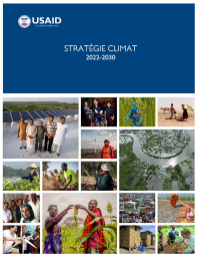
Le changement climatique est une crise qui touche l’ensemble de la planète. Avec l’élévation des températures et du niveau des mers, les populations du monde entier voient de plus en plus souvent des vagues de chaleur, des sécheresses, des inondations, des cyclones et des incendies de forêt bouleverser leur vie. Les effets du changement climatique ne sont pas égaux – ils ont un impact disproportionné sur les communautés les plus pauvres et les plus marginalisées que nous nous efforçons de soutenir chaque jour. Le changement climatique affecte pratiquement toutes les activités de l’USAID et menace les progrès en matière de développement que nous soutenons depuis plus de 60 ans.
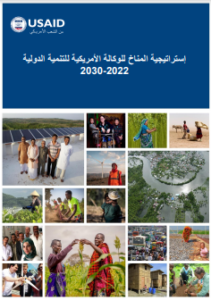
تغير المناخ هو أزمة عالمية. مع ارتفاع درجات الحرارة ومستويات سطح البحر ، يشهد الناس في جميع أنحاء العالم على نحو متزايد موجات الحرارة والجفاف والفيضانات والأعاصير وحرائق الغابات تقلب حياتهم. تأثيرات تغير المناخ ليست متساوية - فهي تؤثر بشكل غير متناسب على المجتمعات الأكثر فقراً وتهميشاً تعمل الوكالة الأمريكية للتنمية الدولية لدعمها كل يوم. يؤثر تغير المناخ فعليًا على كل شيء تفعله الوكالة الأمريكية للتنمية الدولية ويهدد التقدم الإنمائي الذي دعمته على مدار أكثر من 60 عامًا.
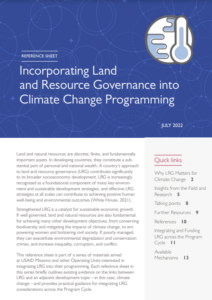
This reference sheet is part of a series of materials aimed at USAID Missions and other Operating Units interested in integrating LRG into their programming. Each reference sheet in this series briefly outlines existing evidence on the links between LRG and an adjacent development topic—in this case, climate change—and provides practical guidance for integrating LRG considerations across the Program Cycle.
Climate information services (CIS) have the potential to support sustainable and resilient development by providing information that can enhance agricultural production, mitigate harvest losses, protect and increase incomes, and improve food security.
Bienvenidos y bienvenidas a la edición de abril de AREP Noticias, boletín que presenta las últimas noticias del trabajo que USAID realiza en conjunto con sus socios en la región amazónica.
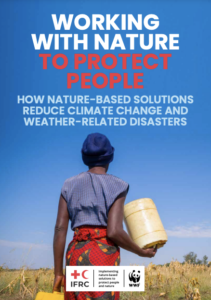
This flagship report from the IFRC and WWF highlights how the power of nature to protect people is being overlooked. It shows how nature-based solutions can reduce the likelihood of climate change and weather-related events occurring. And how they can save lives by preventing exposure to these hazards and supporting vulnerable communities to adapt to and withstand the dangers of a warming world.
The Climate Strategy Launch Webinar Series raised awareness about key aspects of the new USAID Climate Strategy and began to answer the question for practitioners, “How does this strategy affect my day-to-day work?” This webinar series also aimed to gather questions from USAID Staff and Implementing Partner Staff about the Strategy.