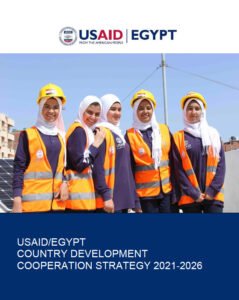
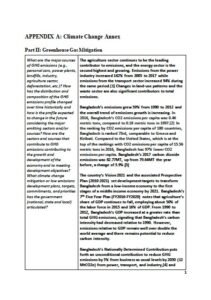
The climate change analysis summarized in this annex aims to inform USAID/Egypt's CDCS and ensure that the strategy is responsive to climate risks while strengthening Egypt's resilience and self-reliance.
This case study examines climate risk management (CRM) actions taken by the USAID Agricultural Growth and Rural Opportunities (AGRO) Activity in Kosovo, including monetized benefits.
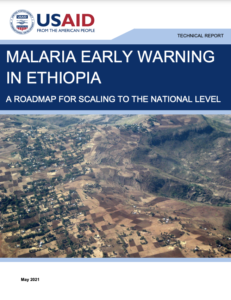
Climate change presents a significant threat to reducing the burden of malaria globally and in Sub-Saharan Africa, which, despite tremendous progress, continues to have a devastating impact on human health and livelihood throughout the world.
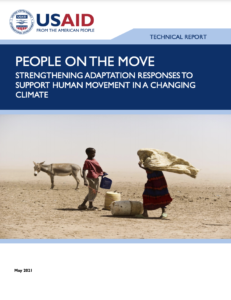
The climate is changing at an unprecedented pace. The risks associated with climate variability and change are increasingly recognized as drivers of both internal migration and displacement.
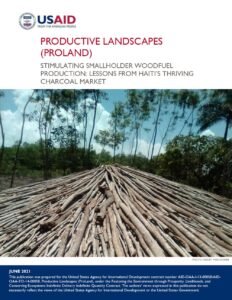
For a country commonly characterized as ravaged by political instability, economic dysfunction and environmental collapse, Haiti is surprisingly self-sufficient in energy.
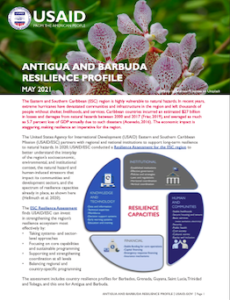
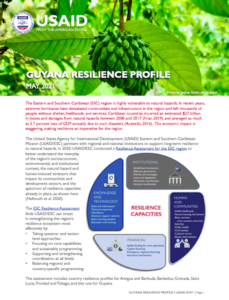
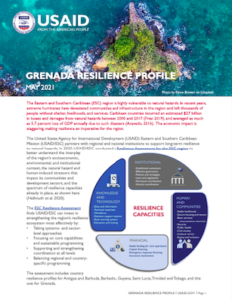
The Eastern and Southern Caribbean (ESC) region is highly vulnerable to natural hazards. In recent years, extreme hurricanes have devastated communities and infrastructure in the region and left thousands of people without shelter, livelihoods, and services.
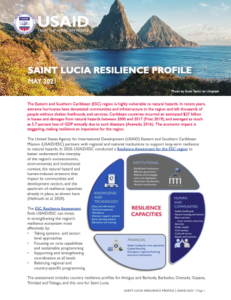
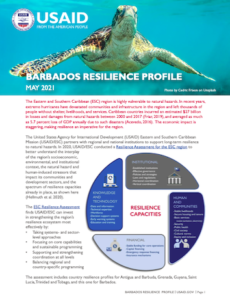
The Eastern and Southern Caribbean (ESC) region is highly vulnerable to natural hazards. In recent years, extreme hurricanes have devastated communities and infrastructure in the region and left thousands of people without shelter, livelihoods, and services.
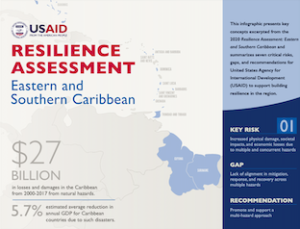
This infographic presents key concepts excerpted from the 2020 Resilience Assessment: Eastern and Southern Caribbean and summarizes seven critical risks, gaps, and recommendations for United States Agency for International Development (USAID) to support building resilience in the region.
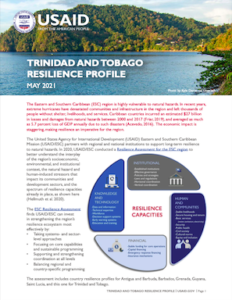
The Eastern and Southern Caribbean (ESC) region is highly vulnerable to natural hazards. In recent years, extreme hurricanes have devastated communities and infrastructure in the region and left thousands of people without shelter, livelihoods, and services.
The Eastern and Southern Caribbean (ESC) region is highly vulnerable to natural hazards. In recent years, extreme hurricanes have devastated communities and infrastructure in the region and left thousands of people without shelter, livelihoods, and services.
The Eastern and Southern Caribbean (ESC) region is highly vulnerable to natural hazards. In recent years, extreme hurricanes have devastated communities and infrastructure in the region and left thousands of people without shelter, livelihoods, and services.
The Eastern and Southern Caribbean (ESC) region is highly vulnerable to natural hazards. In recent years, extreme hurricanes have devastated communities and infrastructure in the region and left thousands of people without shelter, livelihoods, and services.
Once seen as a long-term environmental issue, climate change is now known as an immediate threat to safety and prosperity, especially for the most vulnerable people that are hit hardest by increasing weather extremes.
The climate change analysis summarized in this annex aims to inform USAID/Kenya's CDCS and ensure that the strategy is responsive to climate risks while strengthening Kenya's resilience and self-reliance.
Over the last 15 years, USAID, the Government of Vietnam, and Winrock International have partnered together to design and implement an innovative payment for forest environmental services (PFES) system that has generated more than $700 million for 500,000 households across Vietnam to protect more than six million hectares of forest.
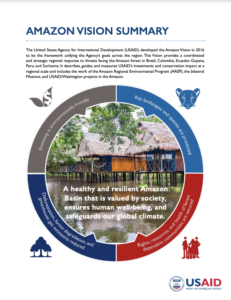
This is a summary of the 2020 Amazon Vision Report. It describes the regional context, the current status, and illustrative achievements of USAID’s biodiversity and sustainable landscape initiatives in the Amazon basin through the lens of this Vision.